
Understand the essential Fitrana Rules for 2026. Learn about eligibility, the correct amount per person, and the deadline for payment to ensure your charity is valid.
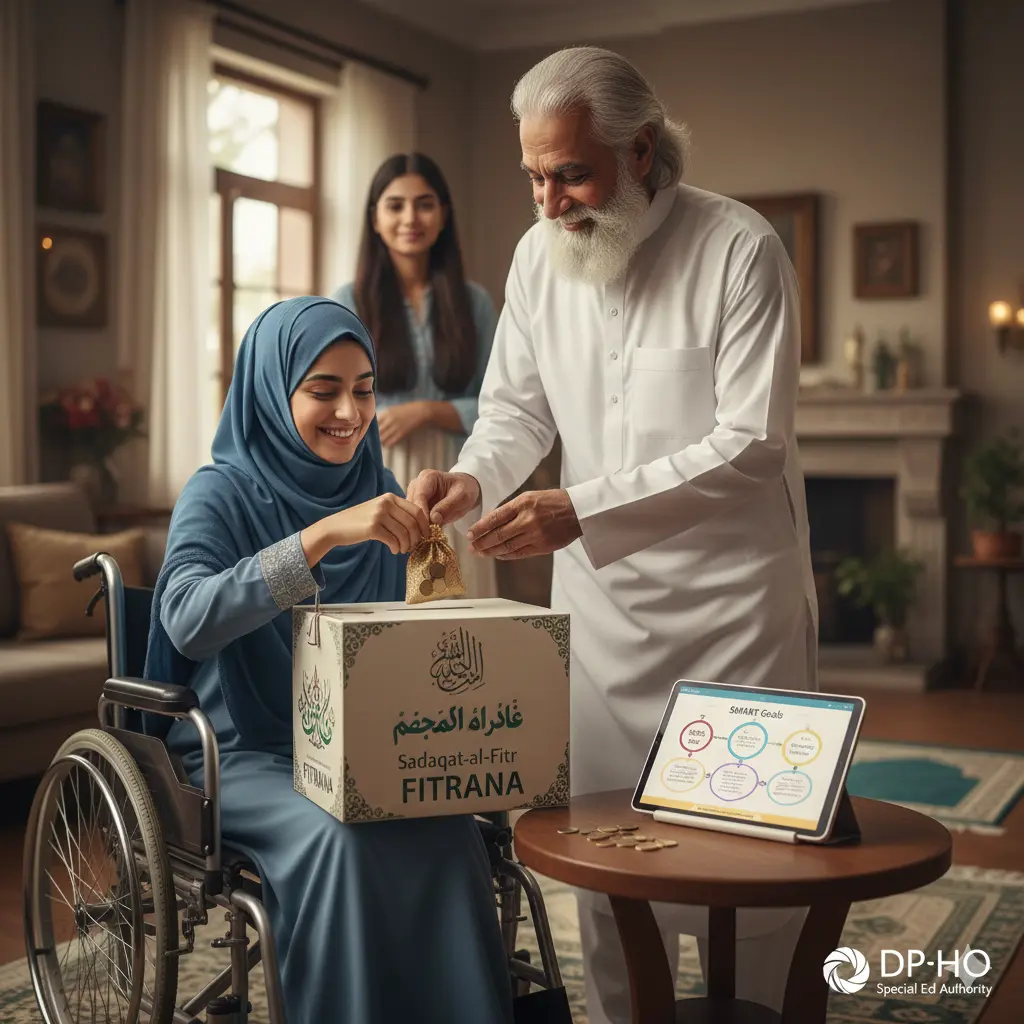
Through Activity-Based Learning (the subject of my M.Phil thesis), we used visual aids to show him where his “Fitrana coins” were going—to help another child buy shoes for Eid.
This transition from being a “recipient of care” to a “giver of charity” transformed his self-esteem. It proved that Fitrana Rules for the Disabled are not just about the money; they are about the dignity of the human spirit.
In my 10 years of practice, I worked with a student named Ali (coincidentally sharing my name). Ali was profoundly deaf, and his parents were confused about how Fitrana Rules applied to him because he didn’t “understand” the concept of money yet.
Through Activity-Based Learning (the subject of my M.Phil thesis), we used visual aids to show him where his “Fitrana coins” were going—to help another child buy shoes for Eid.
This transition from being a “recipient of care” to a “giver of charity” transformed his self-esteem. It proved that Fitrana Rules for the Disabled are not just about the money; they are about the dignity of the human spirit.
In most cases, these Fitrana Rules dictate that the obligation depends on financial independence; if the individual lacks personal assets reaching the Nisab, the responsibility to follow Fitrana Rules falls upon their guardian or head of household.
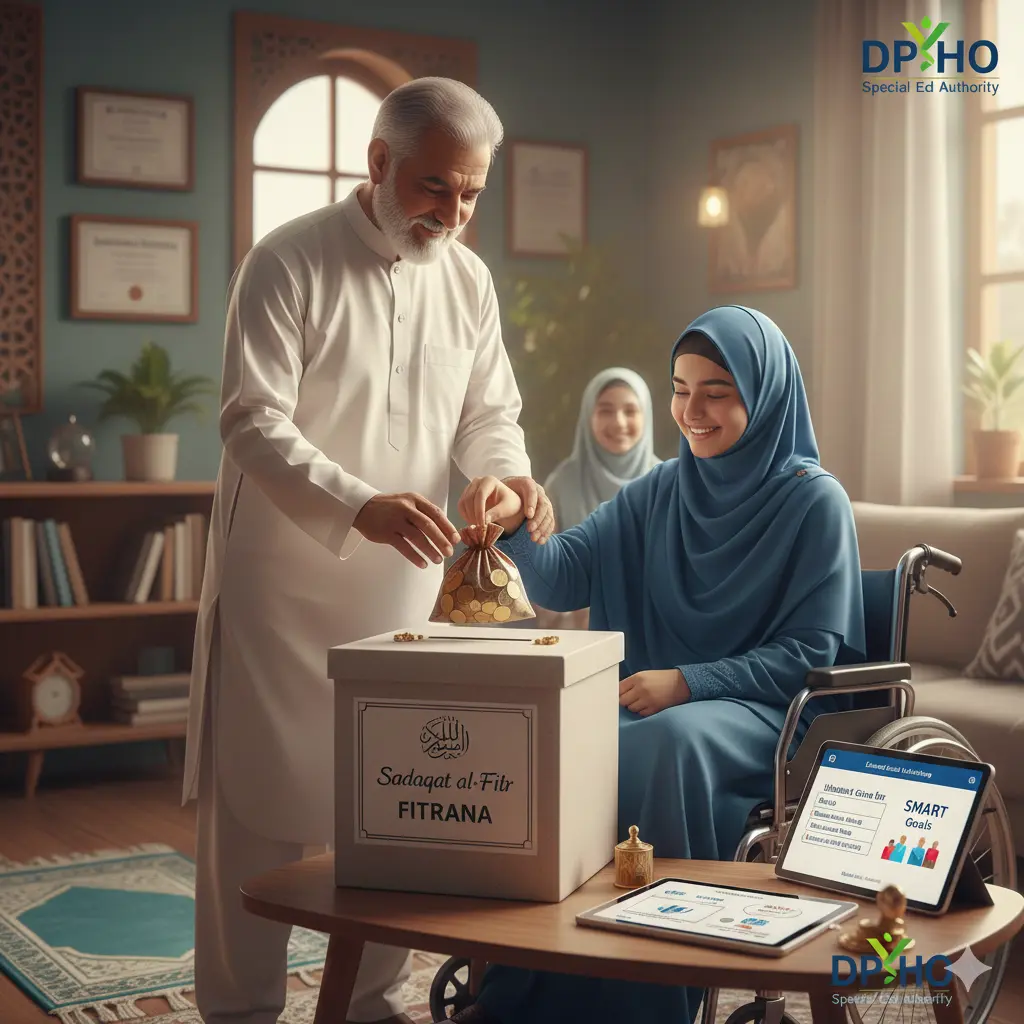
Navigating the complex Fitrana Rules for the Disabled requires a delicate balance of spiritual duty and a professional understanding of the individual’s legal and financial status.
As an expert in special education with over 10 years of experience, I believe that clarifying these Fitrana Rules is vital for inclusive community participation. In 2026, as we integrate AI-Driven Personalized Learning Paths into special education, the focus remains on empowering the disabled to follow Fitrana Rules and participate fully in all communal aspects of life, including religious charitable acts.
🎯 The Foundation of Fitrana in Special Education
As a teacher with over 10 years of experience and an M.Phil in Special Education from Lahore Leads University, I have observed that inclusion goes beyond the classroom. Whether I am working in Hafizabad or consulting for families in the USA, the goal is the same: ensuring dignity for the person with a disability.
In Islamic jurisprudence, Fitrana is an equalizer. It ensures that even the most vulnerable can celebrate Eid. However, caregivers often ask: “If my child is non-verbal or has a severe cognitive impairment, is the soul still accountable?” The answer lies in the capacity of the wealth, not the capacity of the mind.
Alt-Text: Flowchart showing Fitrana eligibility based on financial assets for special needs individuals.
🎯 Determining Eligibility: Independent vs. Dependent
The Fitrana Rules for the Disabled are governed by the same “Saheb-e-Nisab” criteria used for all Muslims.
The Self-Sufficient Individual
If a person with a disability receives a disability grant, inheritance, or salary that exceeds their basic needs (meeting the Nisab threshold), they are responsible for their own Fitrana. This promotes a sense of “Transition Services” toward adulthood and financial responsibility.
The Dependent Individual
For many in the Deaf Community or those with profound intellectual disabilities, financial independence is not yet a reality. In these cases, the “Head of Household” must pay on their behalf. This is a protective measure, ensuring the individual’s spiritual record is complete without placing a financial burden on them.
🎯 The Caregiver’s Role: Procedural Safeguards and Support
Caregiving is more than physical support; it is about navigating Procedural Safeguards in both legal and religious contexts. When managing the affairs of a disabled individual, the caregiver acts as a proxy.
| Feature | Dependent Status | Independent Status |
| Payment Source | Household Head’s Income | Individual’s Own Assets |
| Obligation Level | Mandatory on Guardian | Mandatory on Individual |
| Legal Framework | Guardianship/Proxy | Self-Directed / Power of Attorney |
Tweetable Quote: “Inclusion is not just a seat at the table; it’s the right to contribute. Fitrana for the disabled is a symbol of their belonging in the Ummah.” Imtiyaz Ali, Special Ed Authority.
🎯 IDEA Law, FAPE, and Religious Inclusion
In the USA, the Individuals with Disabilities Education Act (IDEA) ensures that students receive a Free Appropriate Public Education (FAPE) in the Least Restrictive Environment (LRE). While IDEA is a secular law, the principles of Inclusion and Neurodiversity it champions are perfectly aligned with the spirit of Fitrana.
When we develop SMART Goals for transition-aged youth, we often include “Community Participation.” Learning about and participating in Fitrana is a practical application of social and civic responsibility.
🎯 AI-Driven Personalized Learning Paths: 2026 Trends
By 2026, Assistive Technology has evolved. We now use AI to help non-verbal students understand abstract concepts like “charity” and “community support.”
The Role of AI in IEP Documentation:
AI now allows us to track “Life Skills” goals with 99% accuracy. For a student with a Behavior Intervention Plan (BIP), AI can predict stressors during busy holiday periods like Eid, allowing caregivers to adjust the environment while still fulfilling religious duties like paying Fitrana.
Alt-Text: SMART Goals infographic showing how to integrate community and religious participation into an IEP.
📖 Case Study: Ali’s Journey with Hearing Impairment (H.I.)
In my 10 years of professional practice, I worked with a student named Ali (coincidentally sharing my name). Ali was profoundly deaf, and his parents were initially confused about how Fitrana Rules applied to him because he didn’t yet “understand” the complex concept of money or religious tax.
To help them navigate these Fitrana Rules, I applied Activity-Based Learning (the core subject of my M.Phil thesis). We used visual aids and tactile symbols to show him exactly where his “Fitrana coins” were going explaining that according to Fitrana Rules, this contribution was meant to help another child buy new shoes for Eid.
This transition—from being a “recipient of care” to an active participant in Fitrana Rules as a “giver of charity”—completely transformed his self-esteem.
It proved to his family and the community that Fitrana Rules for the Disabled are not just about the financial transaction; they are about upholding the dignity of the human spirit.
By following these Fitrana Rules, we empowered Ali to feel like a valued, contributing member of society.
🎯 Strategic 5-Step Action Plan for Caregivers
- Assess Assets: Determine if the disabled individual has personal savings reaching the Nisab.
- Consult Experts: Speak to both a religious scholar and a financial advisor if the individual receives government benefits (SSI/SSD).
- Involve the Individual: Use Assistive Technology to explain the concept of giving, regardless of the person’s ability level.
- Timing: Ensure payment is made before the Eid prayer to fulfill the Sunnah.
- Document: For those in the USA, keep records of charitable giving for tax purposes and as part of “Independent Living” skill tracking.
📑(FAQ)
1. Is Fitrana required for a child with Autism?
Yes, the father or guardian pays for the child.
2. Can I use the disabled individual’s disability check to pay their Fitrana?
Yes, if the money belongs to them and exceeds their basic needs.
3. What if I am a caregiver and cannot afford Fitrana?
Fitrana is only mandatory for those who have the means. If you are struggling, you may be a recipient of Fitrana instead.
4. How does IDEA law protect religious practice?
While schools are secular, they must provide “Reasonable Accommodations” for religious holidays.
5. Is the Fitrana amount different for the disabled?
No, the amount (based on the price of staples like wheat or dates) is the same for everyone.
6. Can a disabled person receive Fitrana?
Yes, if they are poor or “Mustahiq,” they are eligible to receive it.
7. Does the Deaf Community have specific rules?
The rules are the same; however, communication of the intent (Niyyah) should be done in the person’s primary language, such as ASL.
8. What is the 2026 Fitrana amount?
It varies by region; check your local mosque or Islamic center for the current rate in USD or PKR.
9. How does AI help in calculating Zakat/Fitrah?
Many apps now use AI to calculate Nisab based on real-time gold/silver prices.
10. Why is Imtiyaz Ali’s perspective unique?
Combining an M.Phil in Special Education with 10+ years of field experience allows for a blend of clinical accuracy and cultural sensitivity.
🌍 Urdu Executive Summary
اردو خلاصہ: معذور افراد کے لیے فطرانہ کے احکامات
فطرانہ ہر اس مسلمان پر واجب ہے جو صاحبِ نصاب ہو۔ معذور افراد کے حوالے سے یہ بات اہم ہے کہ اگر ان کے پاس اپنا ذاتی مال یا بچت موجود ہے، تو ان پر فطرانہ خود ادا کرنا لازم ہے۔ تاہم، اگر وہ اپنے والدین یا سرپرست کے زیرِ کفالت ہیں اور ان کا اپنا کوئی ذریعہ معاش نہیں، تو ایسی صورت میں گھر کا سربراہ ان کی طرف سے فطرانہ ادا کرے گا۔
امتیاز علی (ایم فل سپیشل ایجوکیشن) کے مطابق، معذور افراد کو معاشرے اور مذہبی رسومات کا حصہ بنانا ان کی نفسیاتی نشوونما کے لیے بہت ضروری ہے۔ 2026 میں ہم ٹیکنالوجی اور بہتر تعلیمی طریقوں کے ذریعے ان افراد کو خود مختار بنا سکتے ہیں تاکہ وہ بھی اپنی بساط کے مطابق صدقہ و خیرات میں حصہ لے سکیں۔