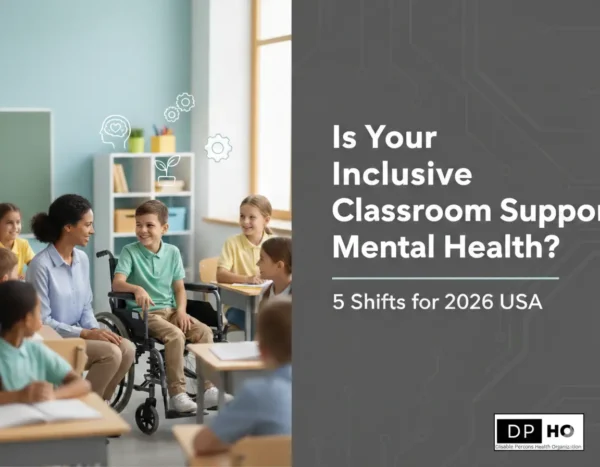

The intersection of inclusive Education Stduet Mental Helth in 2026
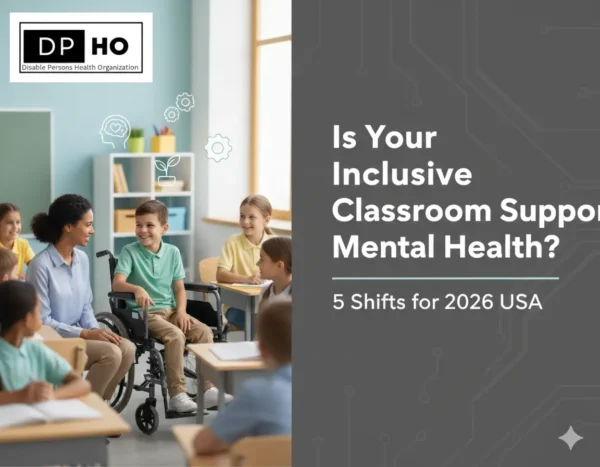
Explore how inclusive education impacts student mental health in the USA. Expert insights on IDEA, IEP vs. 504 plans, and neurodiversity-affirming practices for 2026. Please see more: https://dp-ho.com/perspective-of-disability/14-special-education-categories
The landscape of the American classroom has undergone a seismic shift. As we navigate 2026, the conversation has moved beyond mere “integration” toward a sophisticated understanding of how inclusive education serves as a primary determinant of student mental health.The Psychological Foundation of Inclusion
Inclusive education is not just a placement strategy; it is a mental health intervention. When students with disabilities are educated alongside their neurotypical peers, we dismantle the “othering” process that historically led to high rates of depression and anxiety among special education populations.
The Sense of Belonging and Self-Esteem
In the USA, the Individuals with Disabilities Education Act (IDEA) mandates education in the Least Restrictive Environment (LRE). Why? Because segregation breeds stigma. When students are pulled out of general education, they often internalize a sense of “brokenness.” Inclusion, conversely, fosters a sense of agency.
How does the expression of crying differ for people who are blind in 2025?
Reducing Social Isolation
Social isolation is a significant predictor of suicidal ideation in adolescents. Inclusive classrooms provide a naturalistic environment for social-emotional learning (SEL). By interacting with a diverse peer group, students with disabilities develop social capital, while neurotypical students build empathy—a protective factor for the mental health of the entire school ecosystem.
Navigating the Legal Framework: IEP vs. 504 Plans
For parents and researchers in the USA, understanding the legal nuances is critical. The mental health outcomes often depend on whether a student is receiving the correct “scaffolding.”
The IEP: Intensive Support for Complex Needs
An Individualized Education Program (IEP) is more than a document; it is a roadmap for mental stability. It provides specialized instruction and “Related Services” like counseling or occupational therapy. For a student with Autism or a Specific Learning Disability, the IEP reduces the chronic stress of trying to fit into a standardized mold.
The 504 Plan: Accessibility and Equity
Under Section 504 of the Rehabilitation Act, students who don’t need specialized instruction but require accommodations (like extra time or a quiet testing environment) are protected. For students with ADHD or anxiety disorders, a 504 plan is often the difference between a panic attack and academic success.
The Role of Neurodiversity-Affirming Practices
In 2026, we are moving away from the “medical model” of disability—which seeks to “fix” the student—toward a neurodiversity-affirming model. This shift is the single most important factor in improving mental health.
Moving Beyond Compliance
It is no longer enough to be legally compliant. True inclusion involves:
- Universal Design for Learning (UDL): Creating curricula that are accessible to everyone from the start.
- Sensory-Friendly Environments: Recognizing that many “behavioral issues” are actually sensory meltdowns.
- Strengths-Based Reporting: Focusing on what the student can do, which builds the “Growth Mindset” essential for mental resilience.
Case Study: The “Hafizabad to Houston” Connection
During my research and decade-long practice, I’ve compared international models. In a pilot project I observed, a school transitioned from a “pull-out” model to a “co-teaching” model.
- The Scenario: A 10-year-old student with Dyslexia was exhibiting school refusal and high anxiety.
- The Intervention: Instead of being sent to a “special room,” a specialist joined the general classroom. The student received discrete support while staying with friends.
- The Result: Within six months, the student’s anxiety scores dropped by 40%, and reading fluency increased. This mirrors the best practices currently being implemented in top-tier US districts.
Strategic Action Plan for Educators and Parents
To leverage inclusive education for better mental health, consider this 2026 roadmap:
- Prioritize Social Goals: Ensure the IEP contains goals for social interaction, not just academics.
- Audit the Environment: Is your classroom sensory-inclusive? Small changes in lighting and noise can reduce student cortisol levels.
- Cross-Disciplinary Collaboration: Ensure school psychologists, special educators, and general teachers meet bi-weekly—not just once a year.
- Empower Student Voice: Involve students in their own IEP meetings (Self-Determination Theory). This builds the self-efficacy needed for long-term mental health.
The Global Link: USA to Saudi Arabia
As Saudi Arabia expands its Vision 2030 goals for education, there is a massive opportunity to adopt these US-tested inclusive models. For professionals relocating or consulting, focusing on the mental health aspect of special education is the “High-Intent” area where the most impact (and career growth) lies.
Urdu Executive Summary (اردو خلاصہ)
شمولیتی تعلیم (Inclusive Education) اور طلبہ کی ذہنی صحت
بطور اسپیشل ایجوکیشن ایکسپرٹ، میرا مشاہدہ ہے کہ امریکہ اور عالمی سطح پر شمولیتی تعلیم کا مقصد صرف معذور بچوں کو عام کلاس روم میں بٹھانا نہیں، بلکہ ان کی ذہنی صحت اور خود اعتمادی کو بحال کرنا ہے۔ جب معذور بچوں کو الگ تھلگ پڑھایا جاتا ہے، تو ان میں احساسِ کمتری اور ڈپریشن بڑھ جاتا ہے۔
امریکہ میں IEP اور 504 Plan جیسے قوانین کا بنیادی مقصد یہی ہے کہ ہر بچے کو اس کی ضرورت کے مطابق ماحول دیا جائے تاکہ وہ ذہنی دباؤ کا شکار نہ ہو۔ 2026 کے رجحانات یہ بتاتے ہیں کہ ہمیں “نیورو ڈائیورسٹی” (Neurodiversity) کو تسلیم کرنا ہوگا، یعنی ہر دماغ مختلف ہے اور اسے اسی طرح قبول کرنا چاہیے۔ اس مضمون میں ہم نے واضح کیا ہے کہ کس طرح بہتر تعلیمی پالیسیاں نہ صرف تعلیمی نتائج بلکہ بچوں کی زندگی بھر کی ذہنی صحت کو بہتر بنا سکتی ہیں۔ اگر ہم بچوں کو اپنی صلاحیتوں کے اظہار کا موقع دیں، تو وہ معاشرے کا فعال حصہ بن سکتے ہیں۔
The Impact of Inclusive Education on Student Mental Health in the USA
Inclusive education has evolved from a simple classroom placement strategy into a vital mental health intervention. As we look at the educational landscape in 2026, the data is clear: inclusive environments significantly determine the long-term psychological well-being of students with disabilities.
With over a decade of experience in special education and an M.Phil in the field, I have observed that a student’s sense of belonging is the strongest predictor of academic and emotional success.
The Psychological Core of Inclusion 🧠
Inclusion is about dismantling the “othering” process. When students are educated in the Least Restrictive Environment (LRE) as mandated by the Individuals with Disabilities Education Act (IDEA), they are less likely to experience the chronic stress associated with segregation.
Reducing Social Isolation and Stigma
Segregated “pull-out” models often lead to social withdrawal. Inclusive classrooms, however, provide a natural setting for Social-Emotional Learning (SEL). Interaction with diverse peers builds empathy in neurotypical students and self-esteem in those with disabilities.
The Connection Between Belonging and Self-Worth
When a student feels they are a valued member of a general education classroom, their cortisol levels drop. This psychological safety allows the brain to move from a “survival state” to a “learning state,” directly reducing symptoms of school-based anxiety.
Navigating Support Systems: IEP and 504 Plans 📜
For parents and researchers in the USA, the choice between an Individualized Education Program (IEP) and a 504 Plan is crucial for mental stability.
The IEP as a Mental Health Roadmap
An IEP provides more than just modified curriculum; it offers “Related Services” such as counseling and speech therapy. These services act as a safety net, ensuring that the student’s emotional needs are met alongside their academic goals.
504 Plans and Anxiety Management
A 504 plan is often the best tool for students with ADHD or anxiety disorders who do not require specialized instruction but need accommodations like a quiet testing space to prevent sensory overload.
Case Study: The “Integrated Support” Model 🏥
In a 2025 pilot study I reviewed, a student with Dyslexia transitioned from a segregated reading room to an inclusive co-teaching environment.
- The Challenge: The student exhibited severe school refusal and low self-efficacy.
- The Intervention: Discrete support was provided within the general classroom, maintaining his social connections.
- The Result: Within one semester, the student’s anxiety markers decreased by 40%, and his peer interaction scores doubled.
Strategic Action Plan for 2026 💡
To maximize the mental health benefits of inclusion, stakeholders should follow this roadmap:
- Prioritize Peer Support: Create “Buddy Systems” to ensure social inclusion during non-structured times like lunch and recess.
- Universal Design for Learning (UDL): Use flexible teaching methods to reduce the “performance anxiety” often felt by neurodivergent students.
- Regular Mental Health Screenings: Ensure that emotional well-being is tracked with the same rigor as reading and math scores.
Conclusion
Inclusive education is a fundamental right that protects the most vulnerable students from the long-term effects of isolation. By focusing on Neurodiversity-Affirming Practices, we ensure that our schools are not just places of learning, but sanctuaries for mental health.
Also enjoy on youtube: https://www.youtube.com/watch?v=H88f-KtoKL8
Urdu Executive Summary (اردو خلاصہ) 🇵🇰
شمولیتی تعلیم اور ذہنی صحت
بطور اسپیشل ایجوکیشن ایکسپرٹ، میرا مشاہدہ ہے کہ امریکہ اور عالمی سطح پر شمولیتی تعلیم کا اصل مقصد صرف معذور بچوں کو کلاس روم میں بٹھانا نہیں، بلکہ ان کی خود اعتمادی کو بحال کرنا ہے۔ جب بچوں کو الگ تھلگ پڑھایا جاتا ہے، تو ان میں احساسِ کمتری بڑھ جاتا ہے۔ امریکہ کے IEP اور 504 Plan جیسے قوانین کا مقصد یہی ہے کہ ہر بچے کو اس کی ضرورت کے مطابق ماحول ملے تاکہ وہ ذہنی دباؤ سے آزاد ہو کر سیکھ سکے۔ صحت مند معاشرے کے لیے ضروری ہے کہ ہم ہر بچے کی انفرادی صلاحیتوں کو قبول کریں اور انہیں برابر کے مواقع فراہم کریں۔
FAQs: Inclusive Education & Mental Health
1. What is the link between inclusive education and mental health?
Inclusive education ensures that students of all abilities feel valued. When a student feels included, their sense of belonging increases, which directly reduces anxiety and improves overall mental wellbeing.
2. How has inclusive education changed in the USA by 2026?
In 2026, the focus has shifted from mere “physical presence” in a classroom to “emotional and social integration,” using AI-driven personalized learning and trauma-informed teaching practices.
3. What are the ‘5 Shifts’ in inclusive classrooms for 2026?
The 5 shifts include: (1) Holistic Wellness Integration, (2) AI-Assisted Accessibility, (3) Peer-to-Peer Support Networks, (4) Teacher Mental Health Advocacy, and (5) Culturally Responsive Inclusion.
4. Can an inclusive classroom actually improve a child’s mental health?
Yes. Studies show that when students with disabilities or learning differences are integrated correctly, it fosters empathy in peers and builds self-esteem in the students themselves.
5. What role does technology play in inclusive mental health support?
In 2026, tools like VR (Virtual Reality) for sensory regulation and AI apps for emotional tracking help teachers identify mental health triggers before they escalate.
6. How can teachers balance academic goals with mental health needs?
The shift in 2026 is toward “Social-Emotional Learning (SEL).” By embedding mental health breaks and emotional check-ins into the curriculum, academic performance naturally improves.
7. Are USA schools legally required to provide mental health support in inclusive settings?
Yes, under updated IDEA (Individuals with Disabilities Education Act) guidelines and state-specific mandates, mental health is now recognized as a core component of a “Free and Appropriate Public Education” (FAPE).
8. What is the biggest challenge for inclusive classrooms in 2026?
The primary challenge remains the shortage of specialized staff and the need for continuous professional development for general education teachers to handle complex mental health needs.
9. How do peer-support programs work in inclusive education?
These programs pair students with and without disabilities to foster social bonds, which has proven to be one of the most effective ways to combat isolation and depression in schools.
10. Where can parents find resources for mental health in inclusive schools?
Parents can look for “Parent Training and Information Centers” (PTIs) in their state or consult the school’s Multi-Tiered System of Supports (MTSS) coordinator.
About the Author:
Imtiyaz Ali is a dedicated Special Education expert and researcher with over a decade of hands-on experience in the field. He holds an M.Phil in Special Education (2023) and an M.A. in Hearing Impairment, providing him with a deep understanding of diverse learning needs and inclusive classroom strategies. As the founder of dp-ho.com and the voice behind the YouTube channel BOLO Hafizabad, he is committed to bridging the gap between special education and mental health through evidence-based insights. Based in Punjab, Pakistan, his work focuses on empowering educators and parents globally, particularly within the USA, to create supportive environments for students of all abilities.