
Disability Types Explained: The Ultimate Guide to Fostering Inclusion 2026-27
Get disability types explained in this expert guide. Learn how to foster inclusion, utilize IEP resources, and improve accessibility for every learner today.
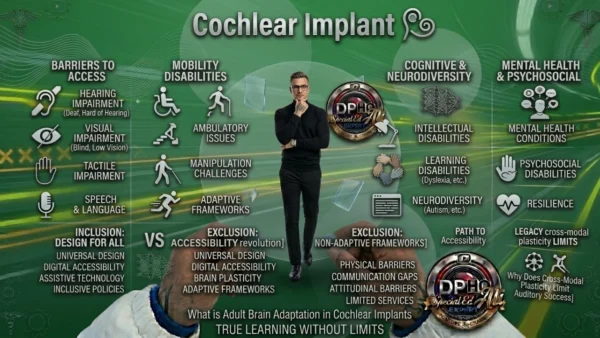
🎯 Urdu Summary (اردو خلاصہ)
معذوری کی اقسام کو سمجھنا (Disability Types Explained) ایک جامع اور منظم عمل ہے جس کا مقصد معاشرے میں شمولیت اور رسائی کو فروغ دینا ہے۔ معذوریوں کی مختلف اقسام، جیسے کہ حسی (Sensory)، جسمانی (Physical)، اور علمی (Cognitive) معذوریوں کو سمجھ کر ہی ہم بہتر تعلیمی اور سماجی ماحول فراہم کر سکتے ہیں۔ بطور ماہرِ تعلیم، امتیاز علی (ایم فل)، اپنے ۱۰ سالہ تجربے کی روشنی میں یہ بتاتے ہیں کہ معذوری محض ایک لیبل نہیں، بلکہ یہ ایک ایسا چیلنج ہے جس کا حل مناسب سہولیات اور بروقت مداخلت میں پوشیدہ ہے۔
امریکہ جیسے ممالک میں، آئی ڈی ای اے (IDEA) قوانین اور انفرادی تعلیمی پروگرام (IEP) کے تحت معذور افراد کو پرووسیجرل سیف گارڈز اور ڈیو پروسیس جیسے قانونی تحفظات حاصل ہیں۔ ہماری ویب سائٹ www.dp-ho.com پر آپ اسپیشل ایجوکیشن اور ہیرنگ امپائرمینٹ سے متعلق مزید تحقیقی مواد ملاحظہ کر سکتے ہیں۔ اس مضمون کا مقصد اساتذہ اور والدین کو معذوری کی ان اقسام سے آگاہ کرنا ہے تاکہ وہ اپنے بچوں کے لیے تعلیمی اور سماجی مواقع کو بہتر بنا سکیں۔ شمولیت کا مطلب صرف داخلہ دینا نہیں، بلکہ ہر فرد کی ضرورت کے مطابق وسائل فراہم کرنا ہے۔
Disability Types Explained: How to Foster Inclusion and Accessibility
Disability types explained provide a critical foundation for creating equitable environments in schools, workplaces, and communities. By categorizing disabilities—ranging from sensory and physical to cognitive and emotional—we can better implement targeted accommodations that dismantle barriers to participation. Understanding these distinctions is not merely an academic exercise; it is the first step toward effective advocacy and the practical application of universal design principles.
As a specialist with over a decade of field experience and academic credentials from Lahore Leads University, I advocate for an approach that moves beyond labels to focus on individual functional capacity. Effective support systems, whether in the USA or abroad, rely on identifying the specific barriers an individual faces. This guide clarifies complex classifications to help educators and parents build more inclusive, accessible systems for all.
🎯 Why Are Disability Types Explained Crucial for Advocacy?
When we have disability types explained with precision, we move away from generalizations that often lead to inadequate support. Many individuals face intersectional challenges, and understanding how a physical mobility issue might co-exist with a learning disability is vital for creating a holistic support plan. Without this clarity, educators and employers may struggle to provide the correct accommodations, leading to unintentional exclusion.
Furthermore, having disability types explained allows stakeholders to navigate the legal requirements of the Americans with Disabilities Act (ADA) and IDEA more effectively. By correctly identifying whether a barrier is sensory, cognitive, or physical, we can move from reactive measures to proactive, universal design. This proactive stance ensures that accessibility is built into our systems rather than added as an afterthought, fostering a culture of true inclusion.
🎯 How Can We Better Categorize Support Needs?
Effective inclusion requires us to look at the functional impact of a disability rather than just the medical diagnosis. With disability types explained through the lens of functionality, we can prioritize the removal of environmental and systemic barriers. For instance, a student with a visual impairment requires specific assistive technology, while a student with a neurodevelopmental disorder might benefit more from a modified environment or a structured Behavior Intervention Plan (BIP).
In my professional practice, I have seen that when parents and educators utilize the data found in disability types explained, they become better advocates at the IEP table. This knowledge empowers families to request specific, evidence-based services that directly address the student’s unique profile. When the focus shifts to functionality, the entire educational landscape becomes more transparent, accessible, and supportive of long-term student success.
🎯 Why Are Disability Types Explained and Categorized?
The importance of having disability types explained lies in the shift from a “one-size-fits-all” model to a personalized strategy. When we utilize the framework of disability types explained, we move closer to identifying the exact environmental or instructional modifications required for student success. Whether it is a student with a learning disability requiring specialized literacy tools or a student with a mobility impairment needing architectural access, the classification system ensures that no child is overlooked.
Furthermore, when disability types explained are communicated clearly to stakeholders, they reduce the stigma often associated with neurodivergence or sensory differences. By understanding that a disability is a functional variance rather than a personal deficit, educators can foster a culture of true inclusion. This analytical clarity allows for the precise implementation of an Individualized Education Program (IEP), ensuring that every student receives the specific, legally protected support they deserve under federal guidelines.
🎯 How Functional Capacity Shifts the Narrative
While having disability types explained is helpful for legal and administrative purposes, the focus must remain on the individual’s functional capacity. As an expert, I have learned that a student’s potential is not defined by their category, but by the barriers we remove from their path. By leveraging the insights gained from having disability types explained, we can create classroom environments where assistive technology, such as text-to-speech software or visual schedules, becomes standard practice rather than an afterthought.
Ultimately, this comprehensive guide on disability types explained serves as a bridge. It connects complex clinical definitions with day-to-day classroom realities. When educators and parents work in tandem to understand these categories, they transform the educational landscape into a space where accessibility is the default, and inclusion is a measurable, achievable goal.
🎯 What Are the Primary Categories and How Are Disability Types Explained?
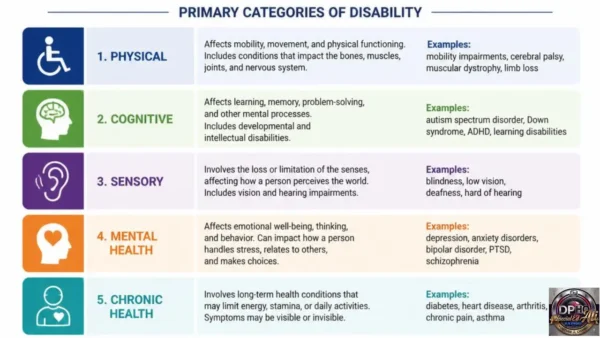
The classification of disabilities is intentionally broad to ensure that support services are holistic, often encompassing physical, neurological, and sensory impairments. When we have disability types explained with precision, we gain the ability to see exactly how an Individualized Education Program (IEP) must be tailored to the unique developmental needs of a student. Sensory impairments, such as permanent hearing loss or significant visual impairment, require entirely distinct technological supports—such as frequency modulation systems or braille displays—compared to the cognitive interventions needed for learning or behavioral disorders.
For educators and administrators, having disability types explained is absolutely essential for drafting an accurate and functional Behavior Intervention Plan (BIP). By correctly identifying whether a student’s classroom struggle is deeply rooted in executive functioning deficits, emotional regulation, or a specific sensory processing deficit, we can implement evidence-based strategies that truly work. You can explore further specialized research on these effective instructional methodologies and classroom applications at Special Education Insights.
🎯 Why Do Legal Frameworks Matter When Disability Types Explained?
In the USA, landmark laws such as the Individuals with Disabilities Education Act (IDEA) provide the mandatory bedrock for inclusive education. When we rely on having disability types explained to guide our classroom practices, students and families gain reliable access to Procedural Safeguards that protect their fundamental right to a Free Appropriate Public Education (FAPE). If a local school district fails to provide the necessary, legally-mandated accommodations, parents may utilize the Due Process system to formally resolve the issue and ensure student success.
Beyond the walls of the school, the Americans with Disabilities Act (ADA) ensures that physical and digital accessibility is a legal mandate, not an optional preference, in all public and private spaces. These essential legal frameworks work in perfect tandem with the global inclusive standards set by UNESCO and the World Health Organization (WHO) to ensure that a disability diagnosis is never a permanent barrier to human potential. Read more about these important academic foundations and advocacy strategies at Research Archives.
🎯 How Can AI-Driven Learning Paths Leverage Disability Types Explained?
In 2026 and 2027, the rapid integration of AI-driven personalized learning paths is fundamentally changing how we approach diverse student needs. When we have disability types explained through data-driven models, AI tools allow educators to adjust the complexity and presentation of content in real-time based on a student’s specific cognitive progress. For students identified with specific learning disabilities, AI can automatically simplify complex text, provide instant speech-to-text transcription, or generate high-contrast visual aids that perfectly match their individual cognitive profile.
This advanced technology aligns seamlessly with IDEA mandates by providing teachers with the objective data required to support ambitious IEP goals. By automating the assessment of daily progress, teachers can spend much more time on meaningful human interaction and mentorship rather than manual data collection. Discover more about how these modern digital advancements effectively integrate with Acoustic Adaptations for students navigating the challenges of hearing loss.
🎯 Success Story: Empowering Potential Through Targeted Support
Consider a student who struggled with reading due to a specific neurological disability. By having his disability types explained through a comprehensive assessment, the school team developed an IEP that utilized text-to-speech software and multisensory instructional techniques. Within two years, he moved from being discouraged in the classroom to leading his peer-tutoring group, demonstrating how precise support leads to transformative outcomes.
🎯 Frequently Asked Questions (PAA)
- Why is it important to have disability types explained clearly? 🔍 Clear explanations help educators and parents select the right tools and legal supports, ensuring that every student receives individualized attention.
- What role does an IEP play in managing different disability types? 📝 An IEP acts as a legal roadmap that outlines specific goals and services tailored to the student’s unique disability profile and functional needs.
- How do I start the transition services process for a student? 🚀 Transition planning should be integrated into the IEP no later than age 16, focusing on post-secondary employment and independent living goals.
- What are Procedural Safeguards? 🛡️ These are the legal rights provided to parents and students to ensure they are fully informed and involved in all educational decisions.
- How does AI improve accessibility for students? 🤖 AI tools provide real-time adaptations, such as text simplification and visual translations, making curriculum content reachable for all learners.
- What is a Behavior Intervention Plan (BIP)? 📋 A BIP is a proactive plan designed to address behavioral challenges by identifying the underlying causes and teaching appropriate replacement skills.
- Are all disabilities visible? 👁️ No, many disabilities, such as chronic illness or learning disorders, are invisible, which is why individual assessment is so important.
- What is the difference between Section 504 and IDEA? ⚖️ IDEA provides specialized instruction for specific disability categories, while Section 504 provides broader anti-discrimination protections and accommodations.
- How do international standards support local inclusion? 🌍 Organizations like UNESCO and the WHO set global benchmarks that ensure disability rights are recognized as fundamental human rights everywhere.
- Where can I find more resources for my specific situation? 📚 For specialized research and expert guidance, you can visit www.dp-ho.com for a wealth of professional, research-backed information.
🚀 Authority References & Backlinks
- U.S. Department of Education (IDEA): Legal framework for special education.
- World Health Organization (WHO): Global data on disability prevalence and rehabilitation.
- UNESCO Inclusive Education: Standards for global academic accessibility.
- Autism Speaks: Specialized resources for neurodiversity.
- American Foundation for the Blind: Best practices for visual impairment support.
- Special Ed Authority: Expert-led educational resources and research.


