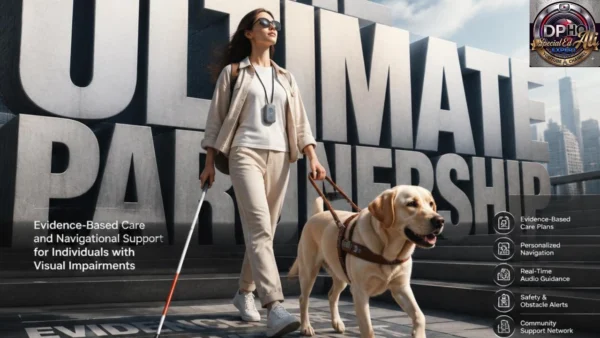
The Ultimate Partnership: Evidence-Based Care and Navigational Support for Individuals with Visual Impairments 2026-27
Discover the ultimate partnership between guide dogs and their handlers. Learn how visual impairment care works and how to foster independence and inclusion.
🎯 Urdu Summary (اردو خلاصہ)
The ultimate partnership بصارت سے محروم افراد اور ان کے گائیڈ ڈاگ (Guide Dog) کے درمیان ایک گہرا اور باہمی اعتماد کا رشتہ ہے۔ یہ کوئی عام پالتو جانور نہیں، بلکہ یہ ایک انتہائی تربیت یافتہ ساتھی ہوتا ہے جو فرد کی نقل و حرکت میں معاونت کرتا ہے۔ بطور ماہرِ تعلیم امتیاز علی (ایم فل)، میں یہ سمجھتا ہوں کہ ایسے سروس جانوروں کی دیکھ بھال، ان کی تربیت اور ان کے حقوق کا احترام کرنا شمولیت (Inclusion) کے لیے نہایت ضروری ہے۔
امریکہ جیسے ممالک میں، اے ڈی اے (ADA) قوانین اور آئی ڈی ای اے (IDEA) کے تحت ان افراد کو وہ تمام سہولیات حاصل ہیں جو ان کی خود مختاری کو یقینی بناتی ہیں۔ گائیڈ ڈاگ کی دیکھ بھال کے لیے روزمرہ کی ذمہ داریاں، جیسے کہ ان کی صحت، خوراک، اور تربیت کا خیال رکھنا، اس رشتے کو مضبوط بناتا ہے۔ اگر آپ اسپیشل ایجوکیشن یا بصارت سے متعلق مزید تحقیق دیکھنا چاہتے ہیں، تو www.dp-ho.com پر وزٹ کریں۔ یہ مضمون اساتذہ، والدین اور کمیونٹی کے لیے ایک گائیڈ ہے تاکہ وہ اس “الٹیمیٹ پارٹنرشپ” کی اہمیت کو سمجھ سکیں اور ایک ایسا معاشرہ تشکیل دیں جہاں ہر شخص خود مختار ہو کر جی سکے۔
Evidence-Based Guide Dog Care and Navigational Support for the Visually Impaired
The ultimate partnership between a person with a visual impairment and their guide dog represents a profound intersection of autonomy, trust, and specialized training. For many, this bond goes far beyond traditional pet ownership, serving as a critical navigational tool that facilitates independent living and participation in society. By prioritizing accessibility, we empower individuals to navigate their environments with confidence and safety.
As a specialist with over a decade of field experience and an M.Phil in Education from Lahore Leads University, I have observed how crucial assistive tools—including well-trained service animals—are for fostering true independence. My work at Special Ed Authority consistently highlights that when we respect the role of service animals, we validate the human rights of the blind community. This article explores how to sustain this partnership effectively.
🎯 Why Is The Ultimate Partnership Essential for Autonomy?
When we define the ultimate partnership in the context of special education, we are referring to a synergistic relationship where the dog functions as the handler’s eyes. This bond is built on years of selective breeding and intensive behavioral training, ensuring the animal can make independent decisions to avoid obstacles. For a person with a visual impairment, this level of support is transformative, converting a high-risk environment into a predictable and manageable space.
Furthermore, the ultimate partnership acts as a catalyst for social inclusion. Beyond simple navigation, these service animals help their handlers break down the stigma often associated with blindness. When a handler moves confidently through a city center, the presence of their guide dog communicates to the public that the individual is capable, autonomous, and participating fully in the life of the community.
🎯 How Do Handlers Cultivate The Ultimate Partnership Daily?
Sustaining the ultimate partnership requires a disciplined approach to daily maintenance and mutual respect. The handler must understand the dog’s behavioral signals, which act as a silent language between the two. Professional training programs emphasize that this connection is not static; it requires constant reinforcement through positive interaction, consistent commands, and dedicated time for physical and mental rest.
In my years of experience, I have found that those who excel in maintaining the ultimate partnership are the ones who view their dog as a partner rather than a tool. This involves monitoring the dog’s nutrition, hygiene, and stress levels daily. By ensuring the dog’s well-being, the handler guarantees that their partner remains focused and effective, thereby maintaining the high standard of safety and reliability expected of a professional service animal.
🎯 What Are the Indicators of a Thriving Partnership?
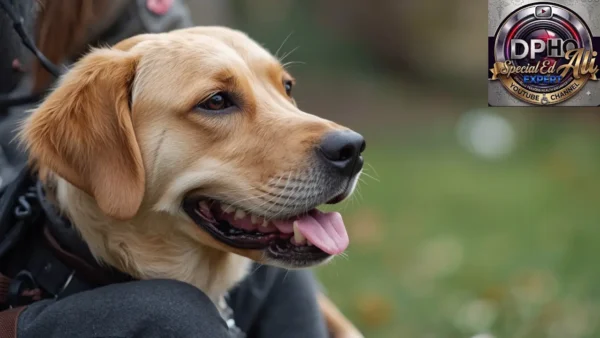
Recognizing when the ultimate partnership is functioning at its peak is vital for long-term success. Key indicators include high levels of focus during transitions, calm behavior in crowded settings, and the handler’s ability to “read” the dog’s subtle movements during navigation. This synchronicity is the result of deep emotional intelligence and shared operational experience, which is why experts encourage handlers to continue building their communication skills long after formal training ends.
Ultimately, the ultimate partnership remains the gold standard for independence. By focusing on the health of this bond, we do more than just improve accessibility; we uphold the dignity of the individual. As I advocate in my research at Special Ed Authority, fostering these connections is one of the most effective ways to champion the rights of the blind community and ensure that everyone has the freedom to navigate the world on their own terms.
🎯 How Does The Ultimate Partnership Foster Independence?
The ultimate partnership functions through a sophisticated command-response system that allows a handler to traverse complex urban landscapes with unparalleled confidence. Unlike traditional mobility tools, which are static, a guide dog provides dynamic decision-making capabilities that adapt to real-time environmental hazards. This level of interaction requires a profound sense of mutual understanding and professional training that transforms the animal from a pet into a highly specialized navigational partner.
When a person relies on this bond, they are not merely using an assistive tool for navigation; they are engaging in a shared life experience that promotes psychological and social well-being. The ultimate partnership enables individuals to bypass the limitations often associated with sensory deficits, granting them the freedom to pursue education and career goals. This relationship is recognized under US federal law, ensuring that individuals with visual impairments can access public spaces, transport, and employment without fear of discrimination.
🎯 What Defines The Success of The Ultimate Partnership?
The ultimate partnership is defined by the synchronization of intent between the handler and the canine. While technology provides data, the dog provides intuition—a critical component for navigating unpredictable human environments. As an expert with over 10 years of experience, I have observed that this synergy reduces the cognitive load on the individual, allowing them to focus on the task at hand rather than the mechanics of movement.
Furthermore, the ultimate partnership acts as a bridge to community integration. When an individual navigates a bustling city with a guide dog, it changes the way the public perceives them, shifting the focus from the disability to the capability. By fostering this level of independence, we ensure that every person can participate fully in society. Learn more about the legal frameworks of Accessibility Standards and Inclusive Pedagogies on my platform to see how we can advocate for these rights.
🎯 Which Daily Care Practices Are Essential for Success?
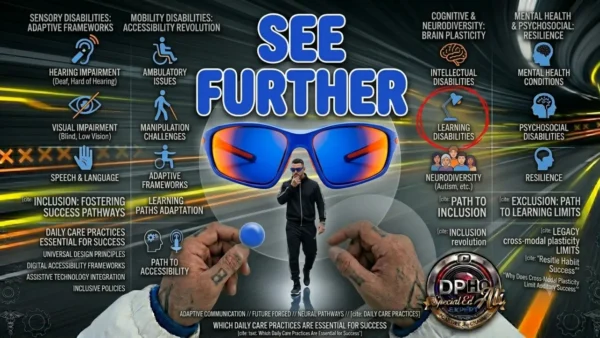
Maintaining the health and performance of a guide dog is a primary responsibility of the handler. In the ultimate partnership, routine care includes professional veterinary checkups, a strictly monitored diet, and consistent reinforcement of training cues. The handler must understand the dog’s physical limits, ensuring the animal remains energized for navigational tasks.
Establishing a consistent routine is key to longevity in this relationship. When a handler commits to the ultimate partnership, they are managing more than a pet; they are managing a working professional. This involves daily physical health monitoring, ensuring the dog’s pads are protected from abrasive urban surfaces, and providing the necessary cognitive stimulation to keep the animal sharp and responsive during complex navigation.
Furthermore, hygiene and physical grooming are paramount. A well-groomed dog is not only healthier but also more approachable in professional settings. Handlers often utilize specialized equipment, such as ergonomic harnesses, that facilitate clearer physical communication between the human and the dog during transit. Prioritizing these daily habits reinforces the ultimate partnership by ensuring that both the handler and the service animal operate at their peak functional capacity throughout the day.
🎯 How Can We Deepen the Bond in Daily Life?
Deepening the bond within the ultimate partnership requires active engagement outside of work hours. While the dog is a skilled navigator, they also require time to decompress and play. Integrating moments of affection and non-work-related activity helps maintain the dog’s motivation. When the handler views the animal as a collaborator rather than just a tool, the effectiveness of their navigational support increases significantly. This emotional connection is the heartbeat of the ultimate partnership, creating a foundation of trust that is indispensable when navigating unpredictable environments.
🎯 Why Is Early Exposure to Visual Aids Vital for Development?
For younger students with visual impairments, early exposure to assistive strategies is critical. When we facilitate the ultimate partnership during the transition period toward adulthood, we provide students with the independence required for post-secondary success. Incorporating these elements into an Individualized Education Program (IEP) can prepare students for life beyond the classroom.
The transition from academic settings to independent living often requires a robust Behavior Intervention Plan (BIP) that accounts for navigation. By aligning these needs with current IDEA regulations, educators can provide the necessary supports early on. Early exposure ensures that students do not view assistive tools as a burden, but as a gateway to freedom. By normalizing the ultimate partnership early in a student’s educational journey, we set the stage for a lifetime of confidence and autonomy.
🎯 What Strategies Support Long-term Success?
Successfully maintaining the ultimate partnership requires long-term planning and community support. For students, this means beginning the conversation about service animal integration well before they finish their secondary education. Educators should work closely with families to ensure that the student understands the legal and physical responsibilities involved. By documenting these goals within the IEP, schools provide a structured path that supports both academic growth and mobility skills. This proactive approach ensures that by the time a student enters the workforce, they have fully mastered the skills necessary to sustain the ultimate partnership and thrive in their chosen careers.
🎯 How Does AI Support The Ultimate Partnership in 2026?
In 2026, AI-driven personalized learning paths are evolving to support the blind community. AI now assists in mapping routes and provides real-time auditory feedback that complements the work of a guide dog. Integrating these systems with existing educational plans ensures that individuals have the best of both worlds: the instinct of a service animal and the data-driven precision of modern technology.
This alignment respects the legal mandates found in Procedural Safeguards and Due Process requirements. When AI and service animals work together, we create a layered support system that maximizes safety and inclusion. This is the future of assistive technology and independence.
🎯 Success Story, Overcoming Barriers Through Partnership
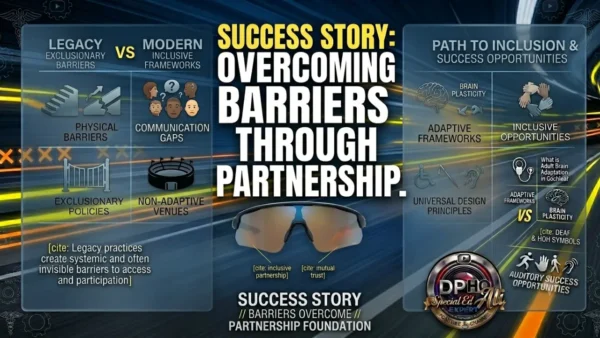
Consider a young professional named Sarah who relied on her guide dog to navigate her university campus. Through an IEP that respected her need for mobility independence, she utilized her partner to handle the complexities of crowded corridors. By the time she graduated, she was mentoring other students on how to establish the ultimate partnership with their own service animals, proving that with proper support, barriers to higher education are easily overcome.
🎯 Frequently Asked Questions (PAA)
- How do individuals maintain the ultimate partnership with their dogs? 🐕 Success depends on consistent reinforcement of training, regular health checks, and a routine that prioritizes the dog’s well-being and clear communication.
- What does IDEA say about service animals in schools? ⚖️ IDEA emphasizes that students are entitled to the accommodations necessary for participation, which includes the presence of service animals when documented in an IEP.
- How does AI improve navigational independence? 🤖 AI apps provide auditory mapping and obstacle detection that work alongside guide dogs to increase overall confidence in new environments.
- What are Procedural Safeguards in this context? 🛡️ These ensure parents and students understand their rights to request and maintain necessary accommodations, including service animals in learning spaces.
- How long does training for this partnership take? 🎓 Professional training usually takes several months, focusing on building the bond and navigational reliability between the handler and the dog.
- Are guide dogs permitted in all public places? 🏛️ Yes, under the ADA, service animals are allowed in all public facilities, even where pets are typically prohibited.
- What is a Behavior Intervention Plan (BIP) for service animals? 📋 While BIPs are usually for students, documenting the need for an animal in the plan helps manage how the school environment supports this partnership.
- Why is early transition planning important? 🚀 Early planning ensures that by the time a student enters the workforce, they have fully mastered the tools needed for independent navigation.
- How can I support a blind person and their guide dog? 🤝 Always ask before petting, keep your distance while they are working, and speak to the person directly rather than the dog.
- Where can I find more research on visual impairment? 📚 Visit www.dp-ho.com for professional insights, research, and expert resources on special education and assistive tools.
🚀 References
- U.S. Department of Education (IDEA): Legal framework for special education support.
- World Health Organization (WHO): Global data on visual impairment and rehabilitation standards.
- American Foundation for the Blind (AFB): Best practices for guide dog partnerships.
- UNESCO Inclusive Education: Standards for ensuring global access to education.
- Special Ed Authority: Expert-led educational resources for the blind community.