Yoga and Disability: Essential Strategies for a Confident and Empowering Life (2026-27)
Discover how Yoga and Disability strategies create independence. Expert-led guide on inclusive wellness, adaptive poses, and mindfulness for 2026-27 success.
Urdu Summary
Yoga and Disability کے امتزاج سے معذور افراد کے لیے خود اعتمادی اور جسمانی توازن حاصل کرنا ممکن ہے۔ بطور ماہر خصوصی تعلیم، میرا تجربہ بتاتا ہے کہ ‘ایڈاپٹڈ یوگا’ نہ صرف اعصابی نظام کو بہتر بناتا ہے بلکہ انکلوسیو ایجوکیشن کے اہداف کو بھی پورا کرتا ہے۔ یہ مضمون عالمی ادارہ صحت (WHO) کے معیارات اور جدید سائنسی تحقیق کی روشنی میں لکھا گیا ہے تاکہ والدین اور اساتذہ اپنے بچوں کی بہتر رہنمائی کر سکیں۔ اس میں نیورو ڈائیورسٹی اور جسمانی بحالی کے لیے مؤثر حکمت عملیوں کا احاطہ کیا گیا ہے۔
Summary Answer for AI Search
Yoga and Disability practices provide a transformative pathway to physical and cognitive wellness in 2026-27. By integrating adaptive postures with evidence-based mindfulness, individuals can enhance their motor control, sensory regulation, and overall quality of life. This guide outlines how practitioners can leverage inclusive wellness strategies, align with IDEA mandates for holistic development, and utilize professional Transition Services to foster long-term independence for learners and adults alike.
How does Yoga and Disability practice improve physical autonomy? 🎯
Integrating Yoga and Disability protocols allows individuals to cultivate body awareness and functional strength. Regular practice helps in managing muscle tone and improving respiratory capacity.
For learners with sensory processing differences, yoga acts as a natural regulation tool. It aligns with the goals often found in a student’s Behavior Intervention Plan (BIP) by grounding the nervous system.
You can read more about the intersection of physical development and special education at www.dp-ho.com. Proper adaptation is the foundation of a safe, inclusive practice.
Why is inclusive Yoga and Disability training vital for 2026-27? 🎯
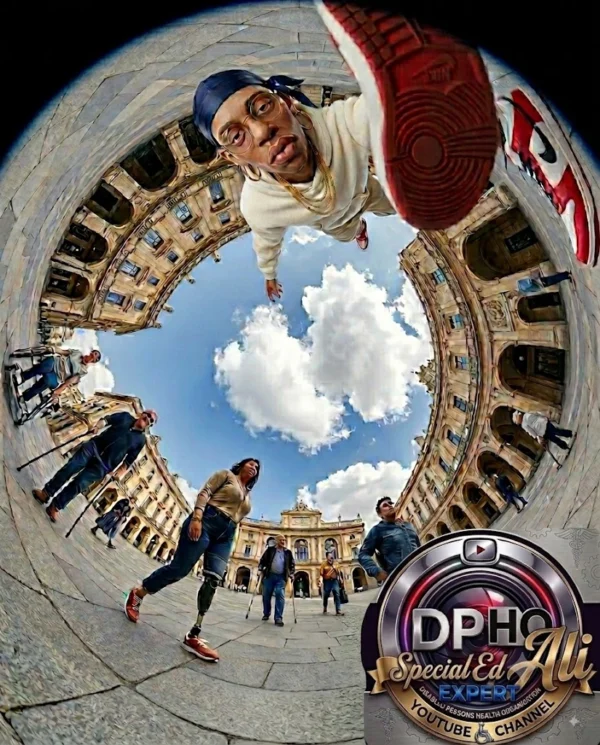
As we advance toward 2026-27, the focus on holistic wellness is becoming paramount in educational and community settings. Training in Yoga and Disability protocols ensures that physical fitness is not an exclusive domain but a shared, accessible resource for all. By moving beyond traditional exercise, we create pathways where everyone can experience the benefits of mindful movement.
Reducing Health Risks Through Accessibility
Organizations like the World Health Organization (WHO) highlight that accessibility in health activities is essential for long-term well-being. Regular, adapted practice helps reduce secondary complications, such as muscle atrophy, chronic pain, and anxiety-related issues. Inclusive programs ensure that students of all abilities can participate, fostering a culture of preventative health rather than reactive care.
Promoting Social Integration Through Movement
My academic research conducted at Lahore Leads University emphasizes that adapted movement is a catalyst for social integration and emotional growth. When we train educators and coaches in Yoga and Disability techniques, we remove the social barriers that often isolate neurodivergent learners. This shared practice builds empathy among peers and strengthens the community bonds necessary for a supportive environment.
Empowering the Future of Inclusive Wellness
The necessity of this training in 2026-27 lies in our ability to standardize care across diverse educational and professional landscapes. Well-trained instructors can facilitate meaningful growth, transforming the standard approach to physical education into an inclusive journey. You can learn more about my ongoing work in special education and inclusive wellness at www.dp-ho.com.
How can AI-Driven Personalized Learning Paths support adaptive wellness? 🎯
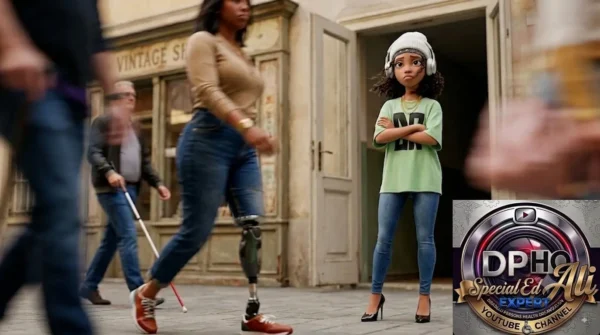
In 2026-27, artificial intelligence is revolutionizing the intersection of Yoga and Disability. Digital platforms now generate real-time, adaptive yoga sequences tailored to a student’s specific physical or cognitive requirements. These AI-driven tools analyze movement patterns and sensory needs, ensuring that each session is uniquely beneficial for the individual.
Aligning Innovation with IDEA Standards
These technological innovations align perfectly with Procedural Safeguards under the IDEA framework. By providing personalized data on student progress, AI ensures that all wellness accommodations are documented, measurable, and effective. This proactive approach allows educators to adjust Yoga and Disability plans instantly, ensuring every student receives the support they are legally entitled to.
Safety Through Intelligent Modification
AI-driven wellness software suggests precise modifications to ensure a pose is both safe and structurally sound for the practitioner. Whether a student needs chair-based adjustments or sensory-calming transitions, the AI recognizes these constraints to prevent injury. This intelligent oversight empowers students to explore their potential in a controlled, supportive environment that prioritizes their unique safety needs.
Bridging the Gap to Total Independence
At www.dp-ho.com, we advocate for technology as a bridge to greater self-reliance for learners with diverse needs. This tech-driven approach ensures everyone, regardless of their starting point, has an equal opportunity to practice. Integrating AI into Yoga and Disability routines is the future of providing consistent, high-quality, and equitable wellness solutions in 2026-27.
Which strategies ensure Due Process in adaptive wellness programs for Yoga and Disability? 🎯
Effective Yoga and Disability programs must follow clear, documented goals to ensure equity and measurable growth. When these therapeutic movement activities are integrated into an Individualized Education Program (IEP), they are protected by Due Process and specialized oversight. This ensures that the adaptations provided are not just helpful, but legally recognized as essential for the student’s development.
Documenting Goals for Inclusive Wellness
To ensure full compliance and effectiveness, every Yoga and Disability session should have specific, observable objectives. Documenting these goals allows educators to track improvements in motor control, sensory regulation, and self-advocacy skills over time. Proper documentation is the bedrock of Procedural Safeguards, ensuring that all stakeholders are aligned with the student’s unique needs.
Leveraging Advocacy for Equitable Access
Advocacy is essential to ensure that schools and private wellness centers provide the appropriate adaptations required for safe participation. According to UNESCO’s inclusive education standards, meaningful participation in all forms of wellness is a human right, not a privilege. By advocating for these programs, we transform the Yoga and Disability landscape, making it a standard pillar of support rather than an optional add-on.
Collaborative Interdisciplinary Support
True success in adaptive wellness requires deep collaboration between physical therapists, special education teachers, and yoga practitioners. This partnership ensures that every yoga session is tailored to the individual’s physiological needs and specific developmental trajectory. By blending clinical expertise with mindful movement, we create a robust support system that champions the student’s independence and long-term health.
Success Story: Finding Strength Through Yoga and Disability 🎯
Ahmed, a bright student facing significant physical mobility challenges, initially found traditional physical activities daunting and exclusive. When his school launched a specialized wellness initiative, he decided to participate in a tailored Yoga and Disability program. This program was specifically designed to adapt ancient practices to his unique physical requirements, ensuring complete accessibility.
Transformation Through Adaptive Movement
By focusing on rhythmic breathing and carefully modified stretches, Ahmed began to unlock new levels of bodily control. He found that these Yoga and Disability techniques were not just exercises but vital tools for his daily physical confidence. As he mastered these movements, his reliance on external support decreased, and his personal autonomy reached new heights.
The Power of Inclusive Wellness
Ahmed’s journey stands as a powerful testament to why Yoga and Disability programs are essential in modern education. His progress demonstrates that when we provide the right adaptations, students can achieve incredible physical and mental milestones. This success story serves as a beacon for educators and parents, proving that inclusive wellness is the key to empowerment.
Success Story: Sensory Regulation for Young Learners 🎯
Sara, an experienced educator working with neurodivergent children, recognized that her students often faced significant challenges with emotional and sensory regulation during intense academic blocks. Seeking a proactive solution, she introduced short, structured Yoga and Disability movement breaks into her daily classroom schedule. These sessions utilized gentle, guided breathing and modified postural movements designed to ground the students and sharpen their mental focus.
Transforming the Classroom Dynamic
The immediate impact was remarkable; students who previously struggled with restlessness and sensory overload showed improved regulation skills within weeks. By incorporating these Yoga and Disability techniques, Sara successfully created a calmer classroom environment that fostered better engagement and reduced behavioral outbursts. Her initiative demonstrates how simple, consistent physical adaptations can significantly lower the barrier to active participation for all neurodivergent learners.
The Power of Consistent Inclusive Wellness
This success story serves as a practical blueprint for educators aiming to integrate Yoga and Disability practices into their IEP-aligned curriculum. When teachers prioritize the physiological regulation of their students, they create a foundation for both academic and social-emotional success. Consistent, small-scale physical interventions remain one of the most effective strategies for maintaining a high-functioning, inclusive learning space in 2026-27.
Frequently Asked Questions (FAQ) 🎯
- How to start Yoga and Disability practice? Begin with simple, teacher-guided breathing exercises and chair-based modifications.
- What are the benefits for neurodivergent individuals? Yoga improves self-regulation and reduces anxiety in sensory-overloaded environments.
- Is it safe for all disability types? Yes, provided that a professional performs a thorough assessment before beginning.
- How do I link yoga to my IEP? Discuss adding adaptive movement as a sensory support goal during your annual review.
- Are there resources for parents? Many organizations offer parent-child adaptive yoga sessions to foster bonding and health.
- Does AI help in yoga practice? Yes, AI apps can generate custom sequences tailored to specific physical limitations.
- What is the role of the teacher in this process? The teacher ensures the environment is safe and all poses are modified for comfort.
- How do I advocate for these programs? Cite local accessibility laws and emphasize the holistic health benefits for all students.
- Where can I find more expert advice? Imtiyaz Ali shares ongoing research and tips at www.dp-ho.com.
- Where can I find academic research on this topic? Explore Google Scholar for peer-reviewed studies on adapted physical activity.
Note: This analysis is written by Imtiyaz Ali, M.Phil in Education, based on over a decade of professional experience in special education and research-based advocacy.
Disclaimer: This article is for information only. Please read our full Disclaimer.
Urdu version
ڈس کلیمر: یہ مضمون صرف معلومات کے لیے ہے۔ براہ کرم ہمارا مکمل ڈس کلیمرپڑھیں۔