Learn the Phenomenal Benefits of Organic Foods Today for Various Disabilities, 2026-27
Learn the benefits of organic foods today for various disabilities. Discover how clean nutrition impacts behavioral intervention plans, IEP goals, and UDL.
Organic Foods for Inclusive Education

خلاصه مضمون برائے اساتذہ اور والدین 🎯
اس مضمون کا بنیادی مقصد یہ واضح کرنا ہے کہ آرگینک اور قدرتی غذاؤں کا استعمال مختلف معذوریوں اور تدریسی مشکلات کا شکار بچوں کے لیے کس طرح فائدہ مند ثابت ہو سکتا ہے۔
جدید تعلیمی تحقیق یہ ثابت کرتی ہے کہ جب بچوں کی غذا سے کیمیائی مادوں، مصنوعی رنگوں اور زہریلے کیڑے مار ادویات کے اثرات کو ختم کیا جاتا ہے، تو ان کے دماغی اور اعصابی نظام میں سوزش کم ہوتی ہے۔ یہ حیاتیاتی استحکام بچوں کے کلاس روم میں توجہ دینے کی صلاحیت، رویوں میں بہتری اور جذباتی توازن کو برقرار رکھنے میں مددگار ثابت ہوتا ہے۔
ایک ماہرِ تعلیم کی حیثیت سے، جس نے سالہا سال پبلک سیکٹر میں تعلیمی نصاب کی متبادل تیاری اور انکلوژو ایجوکیشن پر کام کیا ہے، میں یہ واضح کرنا چاہتا ہوں کہ بہترین سے بہترین تعلیمی منصوبہ اور جدید ترین امدادی ٹیکنالوجی بھی اس وقت تک مکمل نتائج نہیں دے سکتی جب تک بچہ جسمانی طور پر بے چینی یا غذائی الرجی کا شکار ہو۔ جب والدین اور اساتذہ بچوں کے لیے آرگینک غذاؤں کے فوائد کو سمجھ کر ان کے انفرادی تعلیمی پروگرام (IEP) اور رویوں کو بہتر بنانے کے منصوبوں (BIP) میں شامل کرتے ہیں،
تو اس سے بچوں کو ایک صحت مند اور سازگار ماحول ملتا ہے۔ یہ جامع نقطہ نظر نہ صرف بچوں کی جسمانی صحت کو بہتر بناتا ہے بلکہ انہیں تعلیمی میدان میں بھی مکمل خود مختاری اور کامیابی کی طرف گامزن کرتا ہے۔
Choosing to switch to clean, pesticide-free nutrition helps students with diverse learning profiles achieve better classroom focus, sensory regulation, and overall cognitive endurance. When families choose to learn the benefits of organic foods today for various disabilities, they are not merely altering a dietary regimen;
they are introducing a foundational systemic support that directly augments established school-based accommodations. Implementing a diet rich in organic foods can minimize exposure to synthetic neurotoxins and artificial additives, which often exacerbate sensory processing sensitivities, neurodivergent executive dysfunction, and chronic physical inflammation.
By eliminating synthetic organophosphate pesticides, artificial food colorings, and chemical preservatives, whole food nutrition stabilizes the biological foundations of focus and learning readiness.
This biochemical stabilization creates a crucial physiological baseline, allowing specialized educational tools—such as structured physical lesson adaptations, multi-sensory math toolkits, and dynamic assistive technologies—to function with maximum efficacy.
For student-teachers, curriculum designers, and families, understanding this strong connection between metabolic health, structural classroom accommodations, and student well-being is a vital step toward creating truly inclusive and supportive environments that enable every unique learner to thrive.
What Are the Metabolic Impacts of Organic Foods on Student Behavioral Intervention Plans? 🎯
To understand why school teams should learn the benefits of organic foods today for various disabilities, we must examine the biological relationship between systemic nutrition, neurological processing, and proactive behavior management. When a student receives a formal Behavior Intervention Plan (BIP) under modern educational frameworks, the primary objective is to teach positive replacement behaviors while modifying the environment to reduce triggers for challenging actions. However, traditional behavioral strategies often overlook an internal trigger: neurochemical fluctuations caused by synthetic food additives and pesticide residues.
+-----------------------------------------------------------------------------+
|              BIOCHEMICAL TRACE PIPELINE IN BEHAVIOR PLANS                   |
+-----------------------------------------------------------------------------+
|                                                                             |
|  [ Commercial Additives ] --> [ Neurological Inflammation ] --> [ Dysregulation ]|
|                                                                             |
|  [ Pure Organic Foods ]   --> [ Balanced Neurotransmitters ] --> [ Focus/Calm ]|
|                                                                             |
+-----------------------------------------------------------------------------+
Traditional commercial snacks given to students during structured reward systems are frequently packed with neuroactive chemicals, artificial food colorings, and persistent pesticide residues.
Clinical research highlights that exposure to these synthetic compounds can disrupt neurotransmitter synthesis, trigger neuroinflammation, and increase behavioral challenges like hyper-reactivity, sensory meltdowns, and attention shifts.
Choosing organic foods ensures that a student’s daily nutrition is free from these disruptive chemical compounds. By providing clean, nutrient-dense organic foods during the school day, educators and families can systematically reduce biological inflammation, allowing the student to maintain a balanced emotional state and engage more effectively with positive behavioral interventions.
How Do Organic Foods Help Coordinate IEP Goals for Students with Autism Spectrum Disorder? 🎯
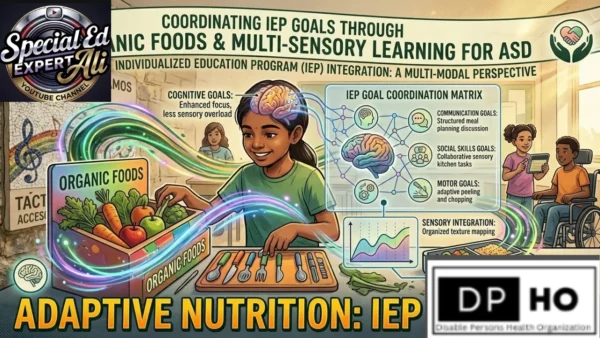
Integrating clean nutrition into a student’s Individualized Education Program (IEP) can significantly enhance their progress toward specific academic and behavioral goals. For individuals on the Autism Spectrum, sensory processing challenges often extend to gastrointestinal sensitivities, creating internal physical discomfort that can manifest as classroom anxiety, communication barriers, or off-task behaviors. When a school team works to learn the benefits of organic foods today for various disabilities, they gain a valuable tool for supporting a student’s IEP goals.
                  +-----------------------------------+
                  |      MULTI-SYSTEMIC IEP SUPPORT   |
                  +-----------------------------------+
                                    |
            +-----------------------+-----------------------+
            |                                               |
            v                                               v
  [ Behavioral Stability ]                        [ Adaptive Focus ]
  - Reduced chemical interference                 - Stable blood glucose curves
  - Lowered sensory overstimulation               - Sustained executive stamina
  - Improved baseline self-regulation             - Enhanced communication access
- Enhancing Communication Readiness: Eliminating artificial ingredients and heavy pesticide exposure helps soothe digestive discomfort, making it easier for students to focus, use assistive communication tools, and engage in social interactions.
- Improving Sensory Transitions: Clean, organic foods help prevent sudden spikes in sensory sensitivity, allowing students to transition between different school environments with less anxiety and greater emotional control.
- Supporting Motor Coordination: Providing a diet rich in essential micronutrients supports neuromuscular health, helping students progress toward fine-motor goals like writing, drawing, or using tactile educational toolkits.
Why Should Curriculum Designers Integrate Organic Foods with Universal Design for Learning? 🎯
Universal Design for Learning (UDL) focuses on creating highly flexible educational pathways that accommodate diverse learners by offering multiple means of representation, expression, and engagement.
For curriculum designers and university lecturers training the next generation of pre-service teachers, extending the core principles of UDL to include the student’s biological readiness is a natural progression.
When a student experiences chronic fatigue, physical discomfort, or focus challenges due to a diet high in processed, chemically treated foods, even the most innovative curriculum design can lose its effectiveness.
+-----------------------------------------------------------------------------+
|              CROSS-MODAL RESOURCE INTEGRATION MATRIX                        |
+-----------------------------------------------------------------------------+
|                                                                             |
|  [ Clean Whole Nutrition ] ---> Supports ---> [ Structural Lesson Tasks ]   |
|         (Organic Foods)                        (Multi-Sensory Modeling)     |
|                ^                                           |                |
|                |                                           v                |
|                +------------------------------ [ Improved Learning Metrics ]|
|                                                                             |
+-----------------------------------------------------------------------------+
By encouraging families and school networks to learn the benefits of organic foods today for various disabilities, curriculum specialists ensure that a student’s physiological system is primed for active learning. Clean, organic nutrition supports steady energy levels, prevents sudden fatigue, and enhances memory retention. This biological stability allows students to engage fully with multi-sensory learning materials, collaborative projects, and technology-driven assignments, creating a reliable foundation for long-term academic success.
When Can AI-Driven Personalized Learning Paths Adapt to a Student’s Nutritional Baseline? 🎯
As modern classrooms adopt AI-driven personalized learning paths, these advanced digital platforms can optimize a student’s daily lessons by recognizing patterns in attention, processing speed, and cognitive stamina.
When an AI system notices that a student experiences focus challenges or sensory fatigue at specific points during the school week, it can automatically adjust the delivery of lessons, offering interactive, visual modules during high-energy periods and simpler, scaffolded tasks when stamina wanes.
                  +-----------------------------------+
                  |     AI LEARNING OPTIMIZATION      |
                  +-----------------------------------+
                                    |
            +-----------------------+-----------------------+
            |                                               |
            v                                               v
  [ Real-Time Data Inputs ]                       [ Adaptive Modifications ]
  - Attention tracking metrics                    - Auto-scaffolded lesson structures
  - Lesson execution timelines                     - Multi-sensory text delivery
  - Cognitive stamina tracking                    - Dynamic break schedule mapping
When families choose to learn the benefits of organic foods today for various disabilities, they help establish a stable, predictable physiological baseline for these advanced AI systems to analyze.
Eliminating artificial additives and chemical preservatives reduces erratic shifts in attention, allowing the AI to accurately measure the student’s true cognitive growth.
This clear data enables the platform to design highly effective, tailored lesson paths that help students build independence and achieve their long-term educational goals.
Which Procedural Safeguards Ensure Equal Access to Organic Foods in Public Schools? 🎯
Under statutory special education frameworks, families have access to explicit Procedural Safeguards designed to protect their child’s right to a free appropriate public education tailored to their unique needs.
If a student has a documented medical condition, severe sensory aversion, or systemic digestive challenges that require specific nutritional accommodations, parents can advocate to have these dietary needs formalized within the student’s IEP or 5000-4 Plan.
+-------------------------------------------------------------------------+
|                  REGULATORY COMPLICTION PROTOCOL                         |
+-------------------------------------------------------------------------+
|                                                                         |
|   Statutory Mandate -> Specialized IEP Goals -> Dietary Modifications   |
|                                                                         |
+-------------------------------------------------------------------------+
When parents work with school teams to learn the benefits of organic foods today for various disabilities, they can request specific accommodations—such as ensuring chemical-free options are provided during school meals or allowing families to supply specialized organic snacks for reward systems.
If a school system fails to provide these documented, necessary health accommodations, families can utilize due process channels to protect their child’s rights.
Formalizing these nutritional safeguards ensures that students have a safe, supportive environment that protects both their health and their legal right to equal educational access.
Where Do Transition Services Connect Clean Nutrition to Independent Living Goals? 🎯
As older students prepare to transition out of secondary school, their transition services must focus on building practical, real-world skills for independent living, vocational success, and personal health management.
Learning how to select high-quality ingredients, manage a grocery budget, and prepare nutritious meals is a vital component of long-term independence for young adults with diverse learning profiles.
+-------------------------------------------------------------------------+
|                INDEPENDENT LIVING DEVELOPMENT PATHWAYS                  |
+-------------------------------------------------------------------------+
|                                                                         |
|  VOCATIONAL SKILLS ---> Grocery Shopping -> Label Reading -> Budgeting  |
|  HEALTH SKILLS     ---> Meal Preparation -> Safe Handling -> Nutrition   |
|                                                                         |
+-------------------------------------------------------------------------+
When educators encourage transition-age students to learn the benefits of organic foods today for various disabilities, they help them develop critical self-advocacy and lifestyle management skills.
Students learn to read product labels, identify clean, whole foods, and understand how different ingredients affect their energy and focus.
Mastering these independent living skills empowers young adults to make informed choices about their personal well-being, paving the way for a successful, independent path in higher education, employment, and daily life.
Academic Insights from an Educational Specialist 🎯
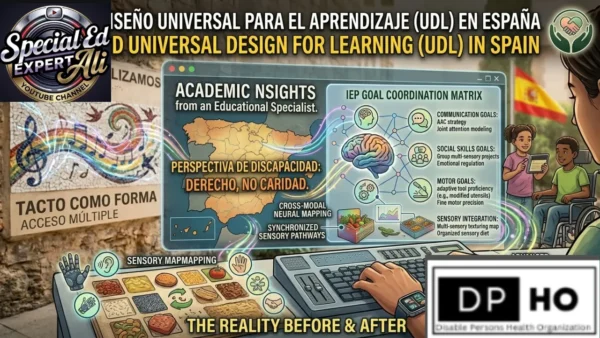
As an educational specialist with over a decade of hands-on experience designing curriculum modifications in the public sector, I have consistently observed that a student’s classroom performance is deeply connected to their physical well-being. My post-graduate research at Lahore Leads University centered on evaluating the structured implementation of Activity-Based Learning (ABL) models. This work allowed me to observe firsthand how carefully designed, hands-on tasks can lower cognitive resistance and help students build reliable mental maps of complex academic concepts.
However, during my field observations, I also noted a recurring trend: even the most precisely structured lesson plans can lose their effectiveness if a student is experiencing physical discomfort, erratic changes in attention, or sensory overstimulation caused by chemical additives and pesticide residues in their diet. When families and school communities take the time to learn the benefits of organic foods today for various disabilities, they introduce a powerful, foundational support that complements established educational strategies.
By prioritizing clean nutrition, switching to organic foods ensures that a child’s metabolic system is free from chemical disruptions. This systematic elimination of synthetic neurotoxins and artificial dyes through premium organic foods helps create a calm, receptive sensory system, allowing students to engage fully with interactive lessons and assistive technologies. True educational equity requires us to support the whole child, blending innovative curriculum design, structured behavior strategies, and clean nutrition via organic foods to help every unique learner achieve full academic independence.
Classroom Success Transformations 🎯
The Journey of an Active Learner
In a busy primary classroom, an energetic student named Zain faced consistent challenges with focus, emotional control, and completing structured group activities.
In a busy primary classroom, an energetic student named Zain faced consistent challenges with focus, emotional control, and completing structured group activities. His school team implemented a comprehensive Behavior Intervention Plan (BIP), which included clear visual schedules and frequent sensory breaks. While these behavioral strategies helped manage his daily actions, Zain continued to experience sudden drops in attention and intense frustration during complex assignments due to underlying dietary sensitivities.
Recognizing that internal chemical discomfort might be impacting his focus, his family decided to learn the benefits of organic foods today for various disabilities and transitioned him to a clean diet free from synthetic preservatives and artificial dyes. Within a short period of switching to these nutrient-dense organic foods, his educators noticed a remarkable change in his classroom engagement.
By replacing processed snacks with whole organic foods, Zain’s baseline focus became much more consistent, his emotional meltdowns decreased significantly, and he began completing his independent assignments with minimal support, allowing his specialized educational plan to achieve its full potential.
Building Literacy Foundations
A young student named Anya, who navigated complex sensory processing sensitivities, frequently experienced intense overstimulation during reading lessons, which hindered her progress toward her core literacy goals. Her educational support team utilized innovative, multi-sensory tactile materials and structured reading frameworks, but physical discomfort often prevented her from engaging with these tools for more than a few minutes at a time.
To help address these underlying physiological challenges, her parents decided to explore holistic lifestyle interventions and learn the benefits of Organic Foods today for various disabilities. They introduced a clean, whole-food nutritional plan into her daily routine, systematically eliminating highly processed items containing artificial colors and heavy pesticide residues.
As her physical system adjusted to a diet rich in Organic Foods, Anya’s sensory sensitivities became much more manageable. She began sitting comfortably during reading sessions, interacting enthusiastically with her tactile literacy toolkits, and showing steady, documented progress toward her language goals—proving that choosing premium Organic Foods can provide the stable physical baseline needed to support innovative teaching methods.
Comprehensive Parent and Educator Advocacy Checklist 🎯
This practical guide is designed to help families and school teams collaborate effectively to integrate necessary nutritional and dietary accommodations into a student’s formal educational plan.
+--------------------------------------------------------------------------+
|                  NUTRITIONAL ACCESSIBILITY CHECKLIST                     |
+--------------------------------------------------------------------------+
|  [ ] STEP 1: Request a Comprehensive Dietary Consultation                |
|      Collaborate with qualified healthcare professionals to document the |
|      student's specific nutritional needs and sensitivity profiles.      |
|                                                                          |
|  [ ] STEP 2: Document Nutritional Requirements in the IEP                |
|      Work with the school team to write clear, formal accommodations     |
|      specifying that clean, allergen-free food options must be available. |
|                                                                          |
|  [ ] STEP 3: Coordinate School Reward System Ingredients                 |
|      Ensure that all foods or snacks used for positive reinforcement     |
|      align with the student's organic, chemical-free dietary plan.       |
|                                                                          |
|  [ ] STEP 4: Apply Universal Design for Learning to Meal Times           |
|      Create a calm, supportive cafeteria environment that minimizes      |
|      sensory overstimulation for students during lunchtime routines.      |
|                                                                          |
|  [ ] STEP 5: Conduct Regular Classroom Performance Audits                 |
|      Track changes in student focus, emotional balance, and physical     |
|      stamina following modifications to their daily nutrition plan.       |
|                                                                          |
|  [ ] STEP 6: Share Shareable Academic Resource Takeaways                 |
|      Provide educational guides to help other parents and teachers       |
|      learn the benefits of organic foods today for various disabilities. |
|                                                                          |
|  [ ] STEP 7: Plan Long-Term Independent Transition Goals                 |
|      Teach older students how to select whole, clean foods independently |
|      as part of their transition to adult living and self-advocacy.      |
+--------------------------------------------------------------------------+
Policy Comparison Matrix 🎯
This chart compares how different educational and health frameworks support the integration of nutritional needs and assistive services for students with diverse learning profiles.
| Regulatory Policy Framework | Core Target Audience | Scope of Provided Accommodations | Role of Nutritional and Assistive Services |
| IDEA Part B | Eligible students with documented disabilities. | Mandates customized lesson adaptations, specialized physical toolkits, and measurable IEP goals. | Allows for specific dietary modifications when linked to a student’s health or behavioral needs. |
| Section 504 Plan | Individuals with physical or mental impairments. | Eliminates environmental barriers and ensures equal access to all public educational programs. | Provides structural accommodations, such as specialized menus or allergen-free learning zones. |
| ADA Title II | All citizens navigating distinct accessibility needs. | Prohibits discrimination across public facilities, transportation networks, and state services. | Guarantees access to inclusive public programs and appropriate environmental adjustments. |
| UDL Framework | Universal student populations in integrated classrooms. | Offers multiple pathways for representing information, expressing knowledge, and engaging with tasks. | Promotes a holistic approach, ensuring student physical systems are primed for active learning. |
Frequently Asked Questions 🎯
1. How do organic foods support focus in students with learning variations?
Organic options are grown without synthetic organophosphate pesticides, which can interfere with neurological function. Eliminating these chemical compounds helps reduce cognitive strain and supports steady, reliable attention patterns in the classroom.
2. Can a change to clean nutrition improve a child’s behavior intervention plan?
Yes. Eliminating artificial dyes, synthetic flavor enhancers, and chemical preservatives helps stabilize blood sugar curves and neurotransmitter production. This biological balance can reduce hyper-reactivity and anxiety, making positive behavioral strategies more effective.
3. Are schools required to accommodate specific organic diets under special education laws?
If a student has a documented medical condition, severe allergy, or sensory disability that requires a specific diet, the school team can include these dietary modifications as a formal accommodation within an IEP or 5000-4 Plan to ensure equal access.
4. What ingredients should be avoided to prevent sensory meltdowns?
Many families choose to eliminate artificial food colorings (such as Red 40), chemical preservatives (like sodium benzoate), and highly processed sugars. These substances can trigger neuroinflammation and overstimulate sensitive sensory systems.
5. How do organic foods benefit children with physical and developmental disabilities?
Organic choices provide rich sources of essential micronutrients without exposing a child’s system to heavy metals or chemical residues, reducing systemic inflammation and supporting healthy immune function and muscle coordination.
6. Can clean nutrition help support a student’s fine-motor skills goals?
While diet alone does not teach motor skills, a nutrient-dense diet reduces physical fatigue and supports healthy nerve function, creating a strong physical baseline that helps students get the most out of their tactile therapy exercises.
7. How can families advocate for organic options during school mealtimes?
Parents can present detailed medical documentation to the IEP team and use established procedural safeguards to request that clean, allergen-free options be made available during school meal programs.
8. What is the connection between gut health and classroom learning?
The gut and the brain communicate constantly along the gut-brain axis. A balanced digestive system supports steady mood regulation and optimal executive functioning, helping students process information more effectively.
9. How do transition services incorporate lessons on organic nutrition?
Transition programs teach young adults how to read product labels, shop for healthy foods on a budget, and cook balanced meals, building the confidence and self-advocacy skills needed for independent living.
10. Where can families find reliable resources on nutrition and special education?
Parents can review peer-reviewed articles on platforms like Google Scholar, access official health data from the World Health Organization (WHO), and explore comprehensive pedagogical guides on specialized platforms like [www.dp-ho.com](https://www.dp-ho.com).
References 🎯
- Bouchard, M. F., Bellinger, D. C., Wright, R. O., & Weisskopf, M. G. (2010). Attention-Deficit/Hyperactivity Disorder and Urinary Metabolites of Organophosphate Pesticides. Pediatrics, 125(6).
- McCann, D., Barrett, A., Cooper, A., Crumpler, D., Dalen, L., Grimshaw, K., … & Stevenson, J. (2007). Food additives and hyperactive behaviour in 3-year-old and 8/9-year-old children in the community: a randomised, double-blinded, placebo-controlled trial. The Lancet, 370(9598).
- Rose, D. H., & Meyer, A. (2002). Teaching Every Student in the Digital Age: Universal Design for Learning. Association for Supervision and Curriculum Development (ASCD).