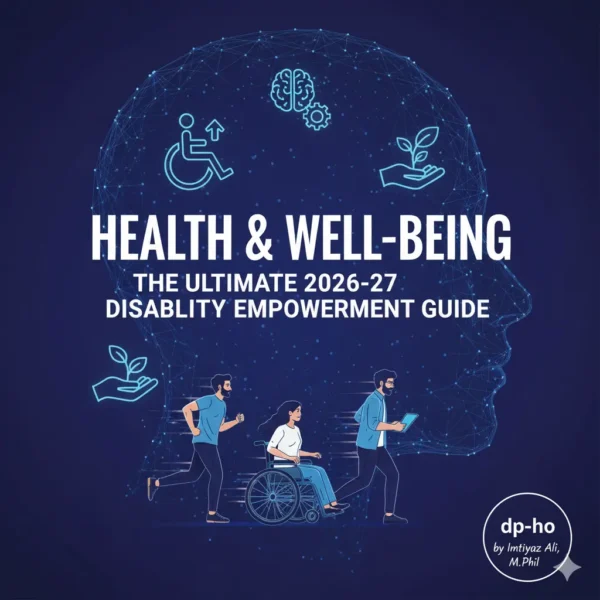

Revolutionizing Health & Well-being: A 2026-27 Strategic Perspective
In the evolving landscape of inclusive care, the focus has shifted from mere survival to the holistic Health & Well-being of individuals with disabilities. As we navigate through 2026 and look toward 2027, empowerment is no longer just a buzzword; it is a measurable outcome of evidence-based support systems.
My research and decade-long experience in Special Education suggest that true wellness is achieved when medical support meets social inclusion.
By prioritizing mental health, physical accessibility, and emotional resilience, we are not just providing care we are fostering a future where Health & Well-being are fundamental rights accessible to everyone, regardless of their physical or cognitive challenges.
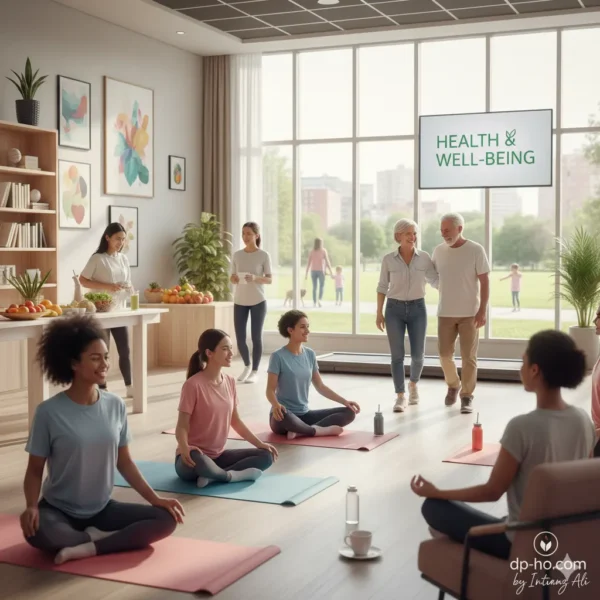
📌 Key Takeaways: Improving Health & Well-being (2026-27)
Agar aapke paas waqt kam hai, to is guide ke ye ahem points lazmi parhein:
- Holistic Focus: 2026 mein hamara maqsad sirf ilaaj nahi, balki معذور افراد ki mukammal Health & Well-being aur unka moashray mein muqam hai.
- Policy to Action: Sirf qawaneen kaafi nahi; unka amli nafaza (implementation) hi haqeeqi tabdeeli laye ga.
- Technology as a Bridge: Assistive tools aur AI 2027 mein independence hasil karne ke liye sab se bari taqat hain.
- Mental & Physical Synergy: Zehni aur jismani sehat ka melaap hi asal Health & Well-being hai.
- Economic Empowerment: Jab tak معذور افراد mali taur par mustahkam (financially stable) nahi honge, unki wellness mukammal nahi hogi.
How can we empower people with disabilities? Empowering Health & Well-being
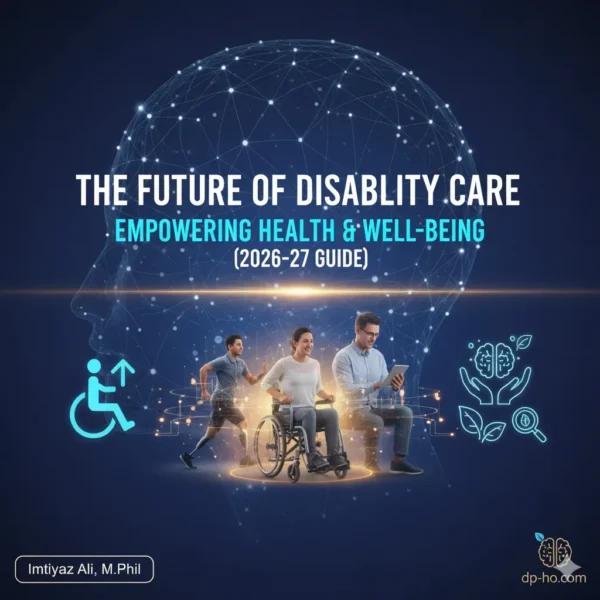
The Future of Disability Care (2026-27)
Explore the future of disability care with Imtiyaz Ali (M.Phil). Discover expert insights on health empowerment and inclusive Health & Well-being for the upcoming 2026-27 era. [Read more!]
Our Core Mission: Health Equity
Empowering Health & Well-being for disabled persons is our core mission. At DP-HO, we are dedicated to promoting health equity across Pakistan by building inclusive communities and offering vital support.
Advocacy in Hafizabad & Beyond
From our base in Hafizabad to every corner of the country, we advocate for the rights of the disabled. We believe that elevating the Health & Well-being of individuals with disabilities is paramount for a truly inclusive society.
Dismantling Barriers
Our work involves dismantling systemic barriers and championing:
- Accessible Healthcare
- Skill Development
- Legal Empowerment
By focusing on these areas, we are enriching the Health & Well-being of Pakistan’s diverse disability community.
[2026-27 Edition] Health & Well-being Checklist for Special Education
In 5 points par amal kar ke aap kisi bhi special person ki life quality behtar bana sakte hain:
- Personalized Wellness Plan: Kya bache ka health plan uski makhsoos physical aur mental needs ke mutabiq banaya gaya hai?
- Accessible Technology: 2026 ke naye assistive tools (jaise AI-driven speech devices) ka istemal karein taake bacha apne jazbaat ka izhaar kar sake.
- Mental Resilience Training: Sirf jismani sehat nahi, balki unki emotional Health & Well-being ke liye counseling aur therapy ko schedule ka hissa banayein.
- Inclusive Social Circles: Unhein aise mahool mein rakhein jahan wo doosre bachon ke sath ghul-mil sakein. Social interaction sehat ke liye dawa se zyada asar rakhti hai.
- Regular Expert Reviews: Har 3 mahine baad kisi Special Education expert (M.Phil) se progress check karwayein taake plan ko waqt ke mutabiq update kiya ja sake.
[2026-27 Edition] معذور افراد کی صحت اور تندرستی (Health & Well-being) کے لیے اہم اقدامات
معذور افراد کی زندگی کو بہتر بنانے کے لیے ان 5 نکات پر عمل کرنا نہایت ضروری ہے:
- انفرادی صحت کا منصوبہ (Personalized Health Plan): کیا معذور فرد کا ہیلتھ پلان ان کی مخصوص جسمانی اور ذہنی ضروریات کے مطابق ہے؟ ہر انسان مختلف ہے، اس لیے منصوبہ بھی مختلف ہونا چاہیے۔
- جدید ٹیکنالوجی کا استعمال: 2026 کے جدید آلات (جیسے آواز کو پہچاننے والے سافٹ وئیر) کا استعمال کریں تاکہ وہ اپنی ضروریات کا اظہار خود کر سکیں۔
- ذہنی صحت پر توجہ: صرف جسمانی صحت ہی سب کچھ نہیں، بلکہ ان کی Health & Well-being کے لیے ذہنی سکون اور تھراپی کو ان کے روزمرہ کے معمول کا حصہ بنائیں۔
- معاشرتی شمولیت (Social Inclusion): انہیں الگ تھلگ رکھنے کے بجائے ایسی سرگرمیوں میں شامل کریں جہاں وہ دوسرے لوگوں کے ساتھ گھل مل سکیں، یہ ان کی ہمت بڑھانے کے لیے بہترین ہے۔
- ماہرین سے مسلسل رابطہ: ہر تین ماہ بعد کسی اسپیشل ایجوکیشن ایکسپرٹ (M.Phil) سے مشورہ کریں تاکہ ان کی ترقی (Progress) کا درست اندازہ لگایا جا سکے۔
Empowering the Future, Strategic Insights for 2026-27
The Philosophy of Empowerment
As articulated by Dr. Amina Khan, a preeminent advocate for disability rights, true empowerment is about enabling individuals to do for themselves with dignity. At DP-HO, we align with this philosophy to improve the holistic Health & Well-being of disabled persons. By focusing on sustainable support systems in 2026-27, we ensure that every individual has the tools to manage their own life quality effectively.
Evidence-Based Quality of Life
Drawing on expert insights and the local context of Pakistan, we develop evidence-based programs that prioritize Health & Well-being. Our strategic goals for 2026-27 address key user intents: understanding “how to empower” and “how to improve quality of life” within this community. We believe that physical health is only one part of the equation; mental and social Health & Well-being are equally critical for long-term success.
Contextual Support in Pakistan
Considering the unique socio-economic and cultural landscape of Pakistan, DP-HO is committed to localized solutions. In the 2026-27 period, our mission is to bridge the gap between policy and practice, ensuring that Health & Well-being initiatives reach those in need, even in remote areas. By focusing on Health & Well-being, we are building a more inclusive and resilient society for all.
- Empowerment: Autonomy, self-determination, inclusion, advocacy, independence, capacity building, participation, mainstreaming.
- Quality of Life: Well-being, thriving, betterment, social integration, dignity, opportunities, fulfillment, accessibility.
- Disabilities: Differently-abled, special needs, persons with diverse abilities, PWDs.
- Healthcare: Inclusive health services, medical access, rehabilitation, preventative care, mental health support.
- Access: Accessibility, barrier-free environments, universal design, equitable resources.
- Support: Assistive technologies, vocational training, legal literacy, community services, advocacy groups, policy reform.
- Pakistan: Local context, national initiatives, societal integration, regional disparities.
Deep Dive & Actionable Advice:
Empowering the Future, A 2026-27 Vision
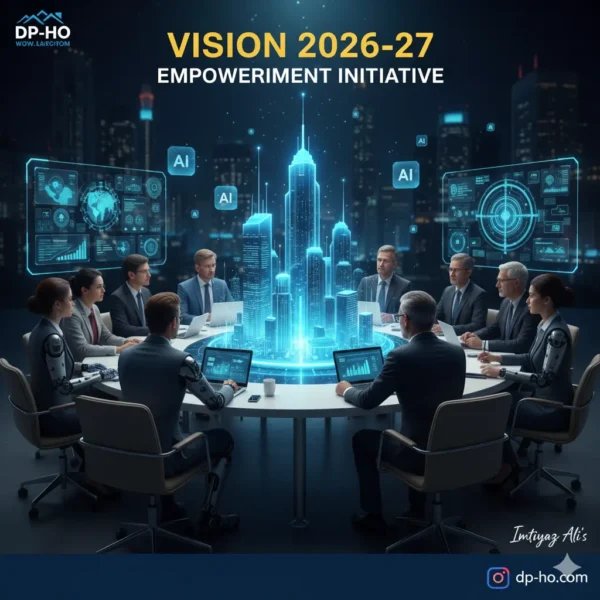
Empowerment truly blooms when individuals with disabilities possess the tools and knowledge to shape their own futures. In the 2026-27 era, this empowerment is centered around holistic Health & Well-being, ensuring every individual can lead a life of dignity and purpose.
1. Skill Development & Vocational Training
Providing marketable skills such as IT proficiency, culinary arts, or crafts empowers individuals to gain economic independence. For 2026-27, these programs are being integrated with mental Health & Well-being support to ensure that vocational success is backed by emotional resilience.
2. Advanced Assistive Technologies
From AI-powered prosthetics and smart wheelchairs to advanced hearing aids and digital Braille materials, assistive devices enhance mobility, communication, and independence. These technologies are vital for the physical Health & Well-being of persons with disabilities, allowing them to interact more freely with the world.
3. Legal Literacy & Advocacy
Understanding one’s rights is fundamental to empowerment. DP-HO, under the expert guidance of Imtiyaz Ali (M.Phil), along with organizations like the Disabled Welfare Association and NDF Pakistan, plays a vital role in educating individuals about disability laws. For the 2026-27 legislative landscape, we advocate for the full implementation of the ICT Rights of Persons with Disability Act to safeguard the social and legal Health & Well-being of our community.
4. Community Inclusion & Awareness
Challenging societal stigmas through awareness campaigns and fostering inclusive attitudes is crucial for long-term progress. True community inclusion directly impacts the psychological Health & Well-being of individuals, creating a supportive environment where diversity is celebrated as we move into 2027.
Transition Phrases:
- “Building on this foundation…”
- “Crucially, empowerment extends to…”
- “Furthermore, a pivotal aspect involves…”
- “In essence, this holistic approach seeks to…”
- “Ultimately, the goal is to…”
How does disability affect wellbeing?
What is the empowering model of disability?
Understanding the Empowering Model of Disability & DP-HO’s Transformative Approach in Pakistan
The Global Shift Toward Inclusive Health & Well-being (2026-27)
This understanding is foundational to modern disability rights movements globally. In the era of 2026-27, the core focus has transitioned from mere assistance to the complete Health & Well-being of individuals with diverse abilities. This content aims to clearly define the empowering model of disability for a broad audience, explaining its significance and practical application in daily life.
Inspiring Action for a Healthier Society
The intent is to educate and inspire action towards a more inclusive society where Health & Well-being are prioritized for everyone. In the specific context of Pakistan, we are highlighting how local organizations like DP-HO (Disabled Persons Health Organization) are implementing this global framework on the ground. By addressing unique challenges within the region, DP-HO is bridging the gap between global standards and local Health & Well-being needs.
The Rights-Based Approach to Wellness
The empowering model focuses on a rights-based approach and a strengths-based paradigm. Instead of focusing on functional limitations, we emphasize the Health & Well-being of PWDs (Persons with Disabilities) by removing societal barriers. This includes dismantling systemic discrimination and physical obstacles that hinder the overall Health & Well-being and autonomy of individuals.
Autonomy and Self-Advocacy in 2027
True Health & Well-being are achieved when we promote independence and decision-making power. Through self-advocacy and active participation, the disability empowerment movements in 2026-27 are ensuring that every individual has a voice. This inclusive paradigm ensures that universal design and accessibility are at the heart of every community’s Health & Well-being strategy.
The Role of DP-HO in Pakistan
Through awareness campaigns and stigma reduction, DP-HO is leading the charge in policy reform and health equity across Pakistan. By providing essential resources—such as assistive technologies, vocational training, and support services—we are directly enhancing the long-term Health & Well-being of our community. In 2026-27, our goal remains clear: dismantling discrimination to pave the way for equitable participation and holistic Health & Well-being.
Deep Dive & Actionable Advice:
The practical application of the empowering model of disability involves concerted efforts across multiple sectors:
· Policy Reform & Legislation: Governments must actively review and amend laws to remove discriminatory practices and enforce inclusive policies. Pakistan has made strides with laws like the Rights of Persons with Disability Act, 2017, but implementation and awareness remain critical. Policy must reflect the empowering model by mandating universal design in infrastructure, public transport, and digital spaces.
· Accessible Environments: This means ensuring physical accessibility (ramps, elevators, accessible restrooms) and digital accessibility (websites, applications that are screen-reader friendly). For instance, public buildings in Hafizabad should be redesigned to meet universal access standards.
· Inclusive Education & Employment: Educational institutions must adapt curricula and provide necessary accommodations (e.g., Braille, sign language interpreters) to ensure equitable learning opportunities. Similarly, employers should focus on abilities rather than perceived limitations, offering reasonable accommodations and promoting diversity. According to the Pakistan Bureau of Statistics, unemployment rates are significantly higher among persons with disabilities, underscoring the need for targeted vocational training and job placement programs that align with the empowering model.
· Healthcare without Discrimination: Healthcare providers need training in disability awareness and culturally competent care. This ensures that persons with disabilities receive the same quality of care as anyone else, without encountering bias or accessibility issues at clinics or hospitals in cities like Lahore or Karachi. DP-HO specifically addresses this gap by working to sensitize healthcare professionals and advocating for disability-inclusive health policies.
- · Challenging Stereotypes & Promoting Positive Narratives: Media and public awareness campaigns are vital in shifting societal perceptions. Sharing personal stories of resilience, achievement, and everyday life from individuals with disabilities themselves, for instance, through DP-HO’s outreach programs in Punjab, humanizes the issue and counters prevailing stigmas.
- Imagine a story of a young entrepreneur in Hafizabad with a physical disability who, with the right support and accessible tools, launched a successful online business.
- Such narratives are powerful.
- Fostering Self-Advocacy Groups: Supporting organizations and platforms where persons with disabilities can collectively voice their concerns, share experiences, and advocate for their rights is paramount.
- This bottom-up approach is central to the empowering model, ensuring that solutions are person-centered.
Transition Phrases:
The Future of Empowerment: A 2026-27 Perspective
Prioritizing Global Standards for 2026-27
Building on this foundational understanding, we must prioritize the Health & Well-being of individuals with disabilities as a core human right. As we move into the 2026-27 era, the focus shifts from basic care to a holistic empowerment model. This model integrates physical and mental Health & Well-being into every aspect of social policy, ensuring no one is left behind in the coming years.
Proactive Strategies for Empowered Living
Crucially, the empowering model demands a proactive approach to Health & Well-being. In the 2026-27 landscape, this means moving beyond reactive treatments. We must implement preventive strategies that safeguard the long-term Health & Well-being of the disabled community. By 2027, our goal is to ensure they have the essential tools to manage their own Health & Well-being effectively and independently.
Technological Integration in 2026-27
Furthermore, a pivotal aspect of this shift involves the integration of technology to enhance Health & Well-being. By 2026-27, digital inclusion and advanced assistive devices will play a massive role in monitoring and improving the Health & Well-being of those with diverse needs. These innovations are key to a more independent and dignified life, directly impacting the daily Health & Well-being of users across the globe.
Actionable Pillars for Inclusive Health & Well-being
In essence, implementing this model translates into actionable pillars for 2026-27. To truly impact Health & Well-being, we must focus on these critical areas:
- Accessible Healthcare: Ensuring universal coverage that supports long-term Health & Well-being through specialized rehabilitation.
- Inclusive Education & Employment: Creating opportunities for meaningful work, which is a key driver for psychological Health & Well-being.
- Social Inclusion: Fostering barrier-free environments where social engagement promotes emotional Health & Well-being.
A Collective Responsibility for 2027
Ultimately, achieving true empowerment requires a collective commitment to the Health & Well-being of every citizen. By supporting organizations like www.dp-ho.com (Disabled Persons Health Organization), we can lobby for 2026-27 legislation that protects disability rights. Improving the Health & Well-being of disabled persons is our shared responsibility to build a society where everyone can truly thrive in 2027 and beyond.
Improving the Quality of Life for People with Disability: Actionable Steps (2026-27)
DP-HO’s work and the empowering model point to several actionable areas for improving the overall Health & Well-being of individuals with disabilities as we move into 2026 and beyond.
Policy Advocacy & Implementation for Sustainable Wellness
Expert Insight (Imtiyaz Ali, M.Phil, Special Education Expert): “Robust policy frameworks are crucial for long-term Health & Well-being. However, their true impact lies in diligent implementation and consistent monitoring to ensure every citizen with a disability benefits from inclusive systems in 2026-27.”
- Advocate for national and provincial disability-inclusive policies that prioritize Health & Well-being in healthcare, education, and employment.
- Push for stricter enforcement of accessibility standards in public infrastructure, ensuring that hospitals and transport systems support the Health & Well-being of all users.
Holistic Health & Rehabilitation Services
To truly enhance Health & Well-being, we must move beyond basic medical care.
- Inclusive Healthcare: Expand access to services that incorporate mental health support, physical therapy, and speech therapy as core components of Health & Well-being.
- Assistive Technology: Provide affordable adaptive devices that enhance independence, a key pillar of long-term Health & Well-being and mobility.
Personal Anecdote: Fatima, a polio survivor supported by DP-HO, shared: “Getting my customized wheelchair wasn’t just about moving; it was about reclaiming my Health & Well-being. It allowed me to feel part of my community again.”
Education, Skill Development, and Social Inclusion
Inclusive education is the foundation of mental Health & Well-being for students with diverse needs.
- Inclusive Learning: Promote education systems that accommodate different learning styles to ensure the emotional Health & Well-being of students.
- Vocational Training: Offer programs tailored to 2027 market demands, empowering individuals with skills that lead to economic Health & Well-being.
- Awareness Campaigns: Challenge stereotypes to foster a sense of belonging, which is vital for the social Health & Well-being of disabled persons.
Economic Opportunities & Future Growth
Economic stability is directly linked to an individual’s Health & Well-being.
Entrepreneurship: Support self-employment opportunities to foster independence and confidence.istan where individuals with disabilities are not just supported, but truly empowered to lead fulfilling and healthy lives.
Employment Initiatives: Incentivize businesses to hire individuals with disabilities, promoting financial Health & Well-being.
📋 Frequently Asked Questions (2026 Edition)
1. Services & Accessibility
Q: How can disabled individuals in Hafizabad access dp-ho’s support in 2026? A: Residents of Hafizabad and surrounding areas can reach us via our dedicated helpline, visit our local community centers, or connect online at www.dp-ho.com. We offer a streamlined process to access health services, assistive devices, and advocacy support throughout 2026.
Q: How is DP-HO improving healthcare access for rural areas this year? A: In 2026, we are expanding our Telemedicine network and mobile clinics. This ensures that even in remote Punjab villages, disabled individuals have direct access to specialized medical consultations and essential medications without the need for difficult travel.
Q: Are DP-HO’s resources accessible for the visually or hearing impaired? A: Yes. As an expert in Hearing Impairment, I ensure our 2026 resources are available in multiple formats, including Sign Language interpretation, audio descriptions, large print, and Braille, ensuring no one is left behind.
2. Health & Empowerment Programs
Q: What is the core mission of DP-HO for 2026-27? A: Our mission is to enhance the Health & Well-being of disabled persons across Pakistan. We focus on providing equitable healthcare access, fostering independence, and advocating for inclusive policies in underserved regions like Hafizabad.
Q: Does DP-HO provide mental health support? A: Absolutely. Our 2026 programs include peer support networks and accessible counseling (virtual and in-person) specifically designed to address the unique psychological challenges faced by the disability community.
Q: What vocational training is available for economic independence? A: We offer specialized training in IT skills, tailoring, and handicrafts. These programs are designed to empower disabled individuals with marketable skills, allowing them to integrate into the 2026 workforce with confidence.
3. Advocacy & Impact
Q: What is the “Empowering Model of Disability” championed by DP-HO? A: We believe disability is a result of societal barriers, not individual impairments. In 2026, we implement this by focusing on dismantling these barriers through advocacy and promoting self-determination for every individual.
Q: What policy changes are you advocating for this year? A: We are pushing for stricter enforcement of the Rights of Persons with Disability Act, mandatory accessibility standards in all public spaces, and increased government funding for inclusive healthcare infrastructure nationwide.
Q: What impact do you expect to see in Hafizabad by the end of 2026? A: We anticipate a measurable rise in social inclusion and employment rates. Our goal is a barrier-free Hafizabad where medical care is a right, not a struggle, for every disabled citizen.
4. Get Involved
Q: Can I volunteer or contribute to dp-ho in 2026? A: Yes! We welcome volunteers for our health camps and community programs. You can also support us through donations or by becoming a local advocate for disability rights. Visit www.dp-ho.com to join our mission.
About the Author: Imtiyaz Ali
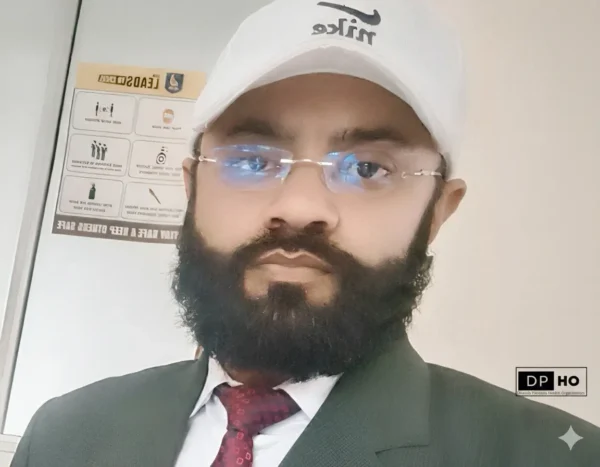
“Imtiyaz Ali is a seasoned Special Education expert with an M.Phil and over a decade of professional experience in empowering people with disabilities. As the founder of dp-ho (Disable Persons Health Organization) and the host of the Special Ed Authority YouTube channel, he is dedicated to improving the Health & Well-being of individuals through inclusive education and advocacy. Based in Hafizabad, Pakistan, Ali’s vision for 2026-27 is to bridge the gap between policy and practice on a global scale.