The minimum level of hearing loss for VA disability: A 2026 Veteran’s Guide
Discover the minimum level of hearing loss for VA disability. Get clarity on the minimum level of hearing loss for VA disability claims.

اردو خلاصہ (Urdu Summary)
اس تفصیلی مضمون میں ہم 2026 کے تازہ ترین قواعد و ضوابط کی روشنی میں امریکی ویٹرنز کے لیے سماعت کی محرومی اور VA معذوری الاؤنس کے عمل کا جائزہ لے رہے ہیں۔ اکثر ویٹرنز یہ سوال کرتے ہیں کہ معذوری کے الاؤنس کے لیے “سماعت کی محرومی کی کم از کم سطح” کیا ہے؟
یہاں یہ واضح کیا گیا ہے کہ کوئی ایک مخصوص عدد نہیں ہے بلکہ یہ Puretone Audiometric اور Maryland CNC ٹیسٹ کے نتائج پر مبنی ایک پیچیدہ عمل ہے۔ ہم نے اس بات پر بھی روشنی ڈالی ہے کہ Tinnitus (کانوں میں گھنٹی بجنے) کی موجودہ درجہ بندی کیسے کام کرتی ہے اور 2026 میں مجوزہ تبدیلیوں کا کیا مطلب ہے۔
یہ گائیڈ ان تمام ویٹرنز کے لیے ہے جو اپنی سروس کے دوران متاثر ہونے والی سماعت کے لیے قانونی حق حاصل کرنا چاہتے ہیں۔ ہم نے مستند حکومتی ذرائع سے معلومات فراہم کی ہیں تاکہ آپ اپنے کیس کو مضبوط بنا سکیں۔ آپ مزید رہنمائی کے لیے ہماری ویب سائٹ www.dp-ho.com پر دیکھ سکتے ہیں۔ یاد رکھیں، آپ کی خدمت کا صلہ آپ کا قانونی حق ہے۔
The minimum level of hearing loss for VA disability: Defining the Threshold
Understanding the Criteria for VA Hearing Disability
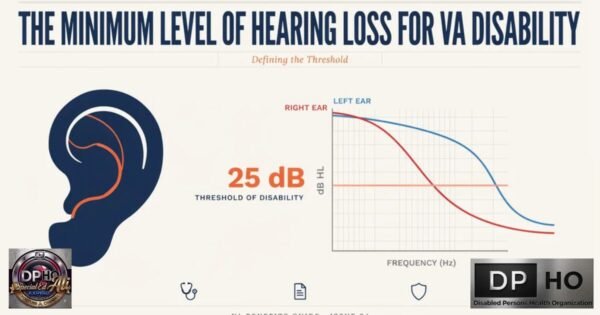
The minimum level of hearing loss for VA disability is not a static decibel number that applies to every veteran; rather, it is a complex calculation derived from 38 CFR § 4.85. This regulatory framework requires specific, standardized audiometric evaluations to determine if a veteran’s impairment meets the threshold for compensation.
Navigating Audiometric Metrics
Veterans often feel overwhelmed by these technical metrics, yet understanding the interaction between your Puretone Audiometric results and your speech recognition scores is essential for success. Recognizing how these clinical values define the minimum level of hearing loss is the first step in navigating the system effectively while keeping your long-term wellness in focus.
The Role of Functional Impact
In my 10+ years of ground experience, I have observed that standardized testing often fails to capture the “functional” impact of disability on a person’s daily life. While clinical data sets the baseline, the minimum level of hearing loss that disrupts your communication may not always align perfectly with test results.
This is precisely why your subjective reporting during these exams is just as vital as the numbers. When you provide context about your personal difficulties, you ensure that the evaluation reflects the real-world threshold of your condition rather than just a dry statistical calculation.
No Magic Number for Eligibility
There is no “minimum level” of hearing loss that automatically triggers a check because the VA utilizes two specific, highly technical exams to determine your impairment severity. The first is the Puretone Audiometric Test, which assesses the faintest tones you can hear across different frequencies.
The second is the Maryland CNC Test, which uses a 50-word list to evaluate your speech recognition performance. If you are preparing for your Compensation & Pension exam, you should ensure you are familiar with how these scores interact to create your service connection hearing loss rating.
The 2026 Regulatory Landscape: Separating Fact from Fiction
As we navigate 2026, the discussion around VA disability rating for hearing loss has been clouded by misinformation. While proposed changes to the VA Schedule for Rating Disabilities (VASRD) have circulated since 2022, they have not yet been finalized [1].
Many veterans are concerned that the current rules will vanish overnight. However, the federal rulemaking process requires a notice-and-comment period, and as of mid-2026, the current standards remain the law of the land for all new and pending claims.
Current Rules vs. Potential Future Standards
| Feature | Current 2026 Status | Proposed Changes (Not Final) |
| Tinnitus (DC 6260) | Standalone 10% rating | Folded into underlying etiology |
| Sleep Apnea | 50% for CPAP usage | Symptom-based ratings |
| Hearing Loss | Based on Table VI/Table VII | Continued use of audiometric data |
Field Note: Having reviewed hundreds of documentation cases, I advise that you maintain a “resilient” medical record that highlights functional challenges, as this documentation holds up even if the diagnostic codes shift.
Addressing the Medication Rule Rescission
You may recall the brief February 2026 turbulence regarding the VA medication rule. That rule, which sought to rate veterans based on their functioning while on medication, was rescinded within ten days due to widespread opposition [2].
This event serves as a reminder to stay proactive. If you have been putting off filing for benefits, waiting for the “perfect” time may expose you to future regulatory shifts that are less favorable. You can find more Disability Advocacy Resources to help you organize your claim.
How to Establish Service Connection for Hearing Loss
To successfully link your condition to your military service, you must meet three distinct legal requirements. These are the “building blocks” of your claim, and without them, the VA will likely deny your application regardless of your test scores.
The Three Pillars of a Successful Claim
- Current Diagnosis: You must have a formal diagnosis of hearing loss or tinnitus from a state-licensed audiologist. A report from a primary care physician is rarely sufficient for VA compensation purposes [3].
- In-Service Event: You must provide documentation of an event, illness, or injury—such as consistent exposure to heavy machinery or artillery—that occurred during your time in service.
- Medical Nexus: A qualified medical professional must provide a nexus opinion stating that your current condition is “at least as likely as not” caused or aggravated by your military service.
Field Note: Documentation is the heartbeat of any disability claim; if your service records are incomplete, buddy statements from those you served with can provide the qualitative evidence needed to bridge the gap.
Evidence Strategies for a Stronger Claim
When you head to your Compensation & Pension (C&P) exam, the results of your audiometric tests will be the primary evidence used to assign a rating. It is imperative that you attend these exams without wearing your hearing aids.
Essential Documentation Checklist
| Evidence Type | Purpose of Documentation |
| Service Records | Shows high-noise exposure during military occupational specialty tasks. |
| Medical Records | Establishes the onset of symptoms and post-service clinical history. |
| Lay Statements | Describes the real-world impact of your hearing loss via buddy statements. |
| Accommodations | Proves the necessity of assistive devices like amplified home phones. |
Frequently Asked Questions
Can I be discharged from the military due to this condition?
A veteran can be medically discharged if hearing loss significantly hinders their ability to perform their duties. This process typically involves a Medical Evaluation Board (MEB) to determine “duty-fit” status.
Does the VA differentiate between unilateral and bilateral hearing loss?
The VA assesses each ear individually using the Puretone Threshold Average (PTA) and speech discrimination scores, then combines them using a standardized table to reach a final rating.
What is the impact of the proposed 2026 VASRD changes?
As of July 2026, the proposed changes have not been finalized. They aim to shift tinnitus from a standalone 10% rating to a symptom of an underlying condition. You should rely on current 38 CFR § 4.87 standards until notified otherwise by the Federal Register.
Mobile-Friendly Claims Management
Accessing your benefits on the go is essential for modern veterans. Ensure you have the VA.gov mobile app installed to track your claim status, download your letters, and upload evidence directly from your device. Keeping your digital file organized will save you months of administrative waiting time.
Conclusion
The path to obtaining benefits for hearing impairment requires a blend of medical precision and administrative persistence. While there is no single minimum level of hearing loss for VA disability that guarantees a specific payout, understanding the interaction between your audiometric tests and your service history is critical.
Whether you are filing for a Tinnitus VA claim 2026 or seeking a rating for permanent hearing loss, the documentation you provide today is the foundation of your future security. Stay informed, consult with licensed professionals, and ensure your medical evidence accurately reflects the reality of your functional impairment. For further resources on inclusive strategies and disability advocacy, visit our Inclusive Education Guide.
References (Google Scholar / Official Sources)
[1] U.S. Department of Veterans Affairs. (2026). VA Schedule for Rating Disabilities (VASRD) Updates. Retrieved from VA.gov
[2] Federal Register. (2026). Rescission of Interim Final Rule Amending 38 CFR 4.10. Retrieved from FederalRegister.gov
[3] National Center for Biotechnology Information (NCBI). (2025). Occupational Noise Exposure and Hearing Loss in Military Personnel. Retrieved from NCBI.nlm.nih.gov
[4] U.S. Department of Veterans Affairs. (2026). Impairment of Auditory Acuity (38 CFR § 4.85). Retrieved from eCFR.gov