
USA’s Top Trends 2026.

Your 2026 guide to the best dresses for different disabilities. Experience Fashion for Every Ability in the USA with innovative adaptive designs from leading specialized brands.
Best dresses for different disabilities in the USA are evolving in 2026. Discover the ultimate guide to stylish, adaptive fashion featuring magnetic closures, seated-fit cuts, and sensory-friendly fabrics for every ability.
Discover the top adaptive fashion trends in the USA for 2026. From magnetic closures to seated-fit designs, explore our guide to the best dresses and clothing for every ability. Empower your style today!
Discover the top adaptive fashion trends in the USA for 2026. From magnetic closures to seated-fit designs, explore our guide to the best dresses and clothing for every ability. Empower your style today!
Magnetic Magic, Effortless Fastenings for All
www.dp-ho.com
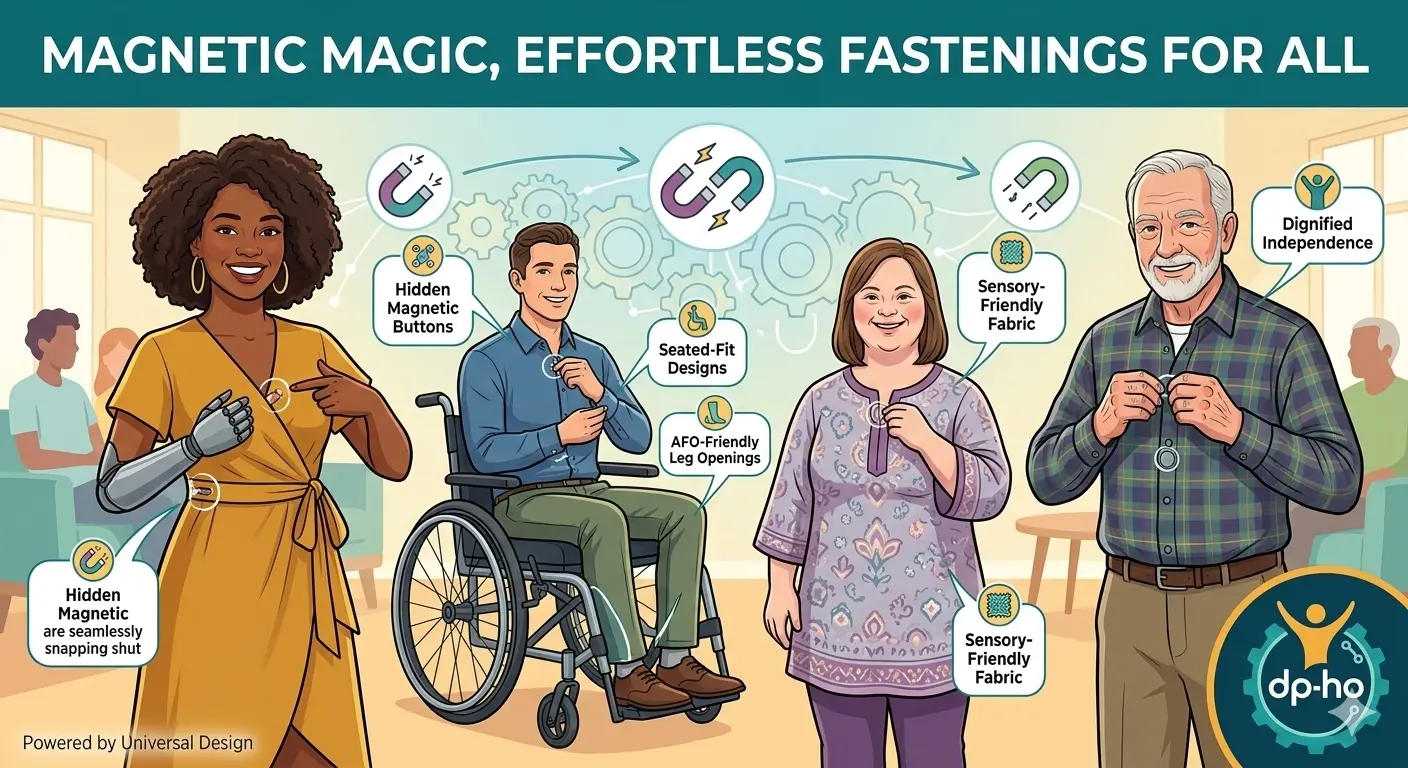
For many individuals with limited dexterity, fine motor skill challenges, or conditions like arthritis or Parkinson’s, traditional buttons, zippers, and clasps can be incredibly frustrating. This is where the philosophy of Fashion for Every Ability truly shines through the revolutionary impact of magnetic closures a game-changer in adaptive dress design.
These ingenious fastenings seamlessly snap together with minimal effort, transforming the daily ritual of getting dressed from a daunting task into a simple, empowering act.
Beyond their practicality, magnetic closures are often discreetly integrated into garments, maintaining a sleek and sophisticated aesthetic that aligns with the standards of Fashion for Every Ability.
This innovation not only grants greater independence to self-dressers but also significantly eases the process for caregivers. By prioritizing Fashion for Every Ability, the subtle power of magnets eliminates the need for fiddly buttons or stubborn zippers, promoting a sense of dignity and reducing potential discomfort.
As a result, adaptive dresses featuring magnetic closures are becoming a cornerstone of inclusive fashion, proving that in 2026, functionality and elegance can indeed coexist harmoniously for everyone.
Seated Style: Dresses Designed for Wheelchair Users
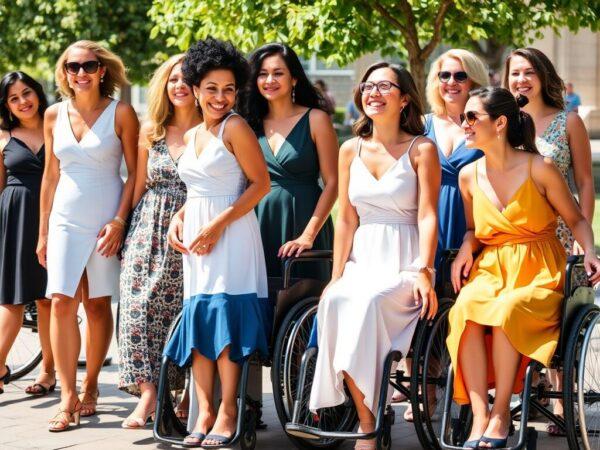
Dresses for wheelchair users often require specific design considerations to ensure comfort, prevent pressure points, and maintain a flattering silhouette while seated. Traditional dresses can bunch uncomfortably, restrict movement, or appear ill-fitting when worn in a seated position.
Adaptive designers have meticulously re-imagined dress construction to address these unique needs, creating garments that are as fashionable as they are functional. Key features often include shorter backs to prevent fabric excess, longer fronts for appropriate drape, and strategic side openings or zips for ease of dressing and medical access.
Fabrics are carefully selected for their stretch, breathability, and wrinkle-resistance, ensuring all-day comfort. The goal is to provide dresses that not only accommodate the practicalities of wheelchair use but also empower individuals to express their personal style with confidence.
This thoughtful approach to design ensures that fashion remains an inclusive and enjoyable aspect of life for wheelchair users, allowing them to participate fully in social and professional settings without compromising on comfort or appearance.
Why Fashion for Every Ability Matters
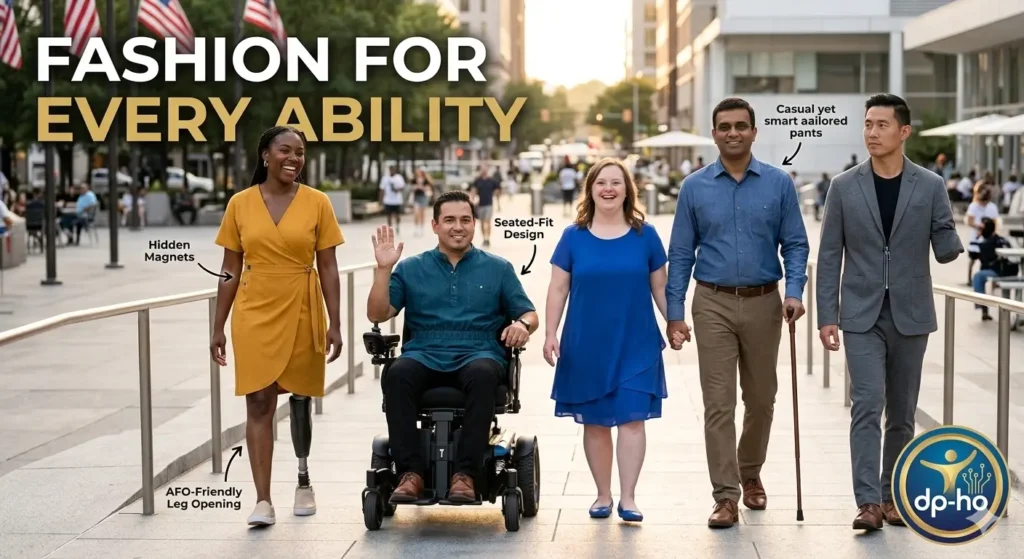
For many, getting dressed is a daily hurdle. However, the philosophy of Fashion for Every Ability seeks to remove these barriers. When we talk about Fashion for Every Ability, we are referring to clothing that incorporates:
- Magnetic closures for easy fastening.
- Seated-fit cuts for wheelchair users.
- Sensory-friendly fabrics for those with tactile sensitivities.
The commitment to Fashion for Every Ability ensures that style is accessible to all.
Leading Trends in Fashion for Every Ability
In 2026, we see a surge in high-tech integration within Fashion for Every Ability. From smart textiles to modular designs, Fashion for Every Ability is proving that tech and tailoring go hand in hand.
Major brands are now recognizing that Fashion for Every Ability is a necessity. By investing in Fashion for Every Ability, companies are reaching a wider, more diverse market that values both comfort and aesthetics.
Empowerment Through Fashion for Every Ability
True empowerment comes when you feel confident in what you wear. This is the core mission of Fashion for Every Ability. Whether it’s for a professional setting or a casual day out, Fashion for Every Ability provides the tools for independence.
As we explore the future, Fashion for Every Ability will continue to evolve. Every stitch in Fashion for Every Ability represents a step toward a more inclusive society. We believe that Fashion for Every Ability is not just a trend, but a standard for the modern world.
Sensory Comfort: Soft Fabrics and Seamless Designs
Sensory-Friendly Innovation in Adaptive Fashion
For individuals with sensory sensitivities—such as those on the autism spectrum or with tactile defensiveness—the feel of clothing is paramount.
Finding the best dresses for different disabilities often starts with the fabric. Traditional dress materials, rough seams, or irritating tags can cause significant discomfort and even distress.
The rise of sensory-friendly options highlights why these are considered the best dresses for different disabilities head-on. These garments prioritize ultra-soft materials and meticulous construction techniques to create a truly comfortable wearing experience for every ability.
Why Material Matters for Every Ability
These specialized garments often feature:
- Smooth, flat seams or entirely seamless designs.
- Tagless labels to prevent skin irritation.
- Hypoallergenic fabrics like organic cotton and bamboo.
When evaluating the best dresses for different disabilities, the emphasis is always on breathability and a non-restrictive fit. This allows for total freedom of movement without any irritating constriction.
Comfort as a Necessity, Not a Luxury
This focus on sensory comfort is a necessity, enabling individuals to engage in daily activities without the distraction of uncomfortable clothing. By eliminating sensory triggers, the best dresses for different disabilities promote a greater sense of calm, well-being, and confidence.
Ultimately, the best dresses for different disabilities allow wearers to focus on their lives and social interactions rather than the irritation of their attire.
Beyond the Basics: Innovative Adaptive Dress Features
Cutting-Edge Innovation in Adaptive Fashion
The realm of adaptive fashion is constantly innovating, moving beyond basic modifications to incorporate features that enhance both form and function. These advancements are driven by a deep understanding of the diverse requirements of individuals. When looking for the best dresses for different disabilities, these innovative features are what truly set top-tier garments apart.
Functional Integration for Medical Needs
For instance, the best dresses for different disabilities now often integrate discreet access points for medical devices. Features such as hidden openings for feeding tubes or catheters allow for easy management without compromising the garment’s aesthetic. This ensures that the best dresses for different disabilities remain stylish while serving vital practical purposes.
Versatility through Modular Design
Another exciting trend involves modular designs. In the best dresses for different disabilities, elements like sleeves or hemlines can be adjusted or detached. This provides:
- Versatility: Catering to changing weather or formal needs.
- Personal Preference: Allowing the wearer to customize their look.
- Ease of Use: Making dressing and undressing much simpler.
Smart Textiles and the Future of Empowerment
The use of smart textiles presents exciting possibilities for the best dresses for different disabilities. Future designs may incorporate temperature regulation or even posture support directly into the fabric.
This continuous pursuit of innovation reflects a commitment to creating empowering clothing solutions. These advanced features ensure that the best dresses for different disabilities are not just about accommodation they are about actively improving quality of life and helping individuals live more independently and stylishly in 2026.
Adjustable Hemlines: Versatility for Every Occasion
The Power of Adjustable Hemlines in Adaptive Fashion
Adjustable hemlines represent a significant stride in adaptive design, offering unparalleled versatility and functionality. When searching for the best dresses for different disabilities, it is important to look at brands that prioritize these functional fashion elements.
For individuals with fluctuating needs—such as those who use different mobility aids like a wheelchair or a walker—the ability to modify a garment’s length is invaluable. These innovative designs are a hallmark of the best dresses for different disabilities, providing comfort regardless of the situation.
Innovative Design Features for Every Ability
These specialized garments often incorporate:
- Hidden Drawstrings: For quick adjustments.
- Snap Systems: To secure the hem at the perfect height.
- Folding Mechanisms: Allowing the wearer or caregiver to easily lengthen or shorten the dress.
This level of adaptability means the best dresses for different disabilities can seamlessly transition from a casual, shorter length for movement to a longer, more formal style for special occasions.
Empowerment through Customizable Style
Beyond practicality, adjustable hemlines contribute to a sense of empowerment. The best dresses for different disabilities allow individuals to customize their look and feel confident in their attire for any event. This thoughtful design element reflects a deeper understanding of the dynamic nature of living with a disability.
In the USA, many designers are now creating the best dresses for different disabilities by incorporating easy-access zippers and stretchable materials. By choosing the best dresses for different disabilities, you ensure that high-end style remains accessible to everyone.
Why Quality Matters in 2026
The best dresses for different disabilities not only extend the lifespan of a garment but also promote both style and practicality in equal measure. Investing in the best dresses for different disabilities means choosing clothing that actively improves quality of life. We are proud to highlight how the best dresses for different disabilities are setting new standards for the global fashion industry.
Discreet Access: Integrating Medical Device Accommodation
One of the most profound innovations in adaptive dress design is the thoughtful integration of discreet access points for medical devices. For individuals who rely on feeding tubes, ostomy bags, PICC lines, or other essential medical equipment, traditional clothing can present significant challenges, often requiring uncomfortable workarounds or compromising privacy and dignity. Adaptive dresses are now being meticulously designed with hidden zippers, cleverly placed button plackets, or subtle openings that allow for easy, quick, and private access to these devices. These features are often camouflaged within the garment’s overall design, ensuring that the dress maintains a stylish and mainstream appearance. The benefit extends beyond mere convenience; it significantly enhances the wearer’s sense of comfort, confidence, and independence. No longer do individuals have to choose between their health needs and their desire to dress fashionably. This thoughtful consideration for medical accommodation exemplifies the true spirit of inclusive fashion, demonstrating that design can indeed serve both practical necessities and personal expression seamlessly.
Stylish Solutions: Adaptive Dresses for Specific Needs
The evolution of adaptive fashion is marked by its increasing specificity, offering tailored solutions for a wide array of disabilities while refusing to compromise on aesthetic appeal. Rather than a one-size-fits-all approach, designers are now deep-diving into the unique challenges and preferences associated with particular conditions, resulting in dresses that are not only highly functional but also genuinely fashionable. This targeted design philosophy ensures that individuals no longer have to settle for ill-fitting or uninspired clothing. Whether it’s a dress crafted to accommodate prosthetics with elegant ease, a garment engineered for effortless donning and doffing for those with limited arm mobility, or a piece designed to provide calming compression for sensory needs, the market for adaptive dresses in the USA is bursting with innovative and stylish options. This focus on specific needs underscores the industry’s commitment to truly inclusive design, recognizing that every individual deserves access to clothing that makes them feel confident, comfortable, and empowered. The emphasis is on celebrating individuality and offering choices that reflect diverse lifestyles and aesthetic preferences.
Amputee-Friendly Designs: Prosthetic-Ready Dresses
The Evolution of Personalized Style
The evolution of adaptive design is marked by its increasing specificity, offering tailored solutions through Fashion for Every Ability. Rather than a one-size-fits-all approach, designers are now deep-diving into the unique challenges and preferences associated with particular conditions. This targeted philosophy ensures that Fashion for Every Ability results in dresses that are not only highly functional but also genuinely fashionable.
Why Fashion for Every Ability is a Targeted Philosophy
With Fashion for Every Ability, individuals no longer have to settle for ill-fitting or uninspired clothing. Whether it’s a dress crafted to accommodate prosthetics with elegant ease or a garment engineered for effortless donning, Fashion for Every Ability provides the answers.
In the USA, the market for Fashion for Every Ability is bursting with innovative and stylish options. This focus on specific needs underscores the industry’s commitment to truly inclusive design, recognizing that Fashion for Every Ability makes everyone feel confident and empowered.
Empowering Through Choice and Style
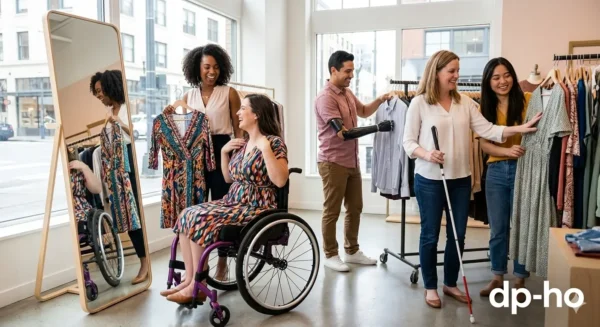
The emphasis of Fashion for Every Ability is on celebrating individuality. By offering choices that reflect diverse lifestyles, Fashion for Every Ability ensures that aesthetic preferences are never ignored. Every piece designed under the banner of Fashion for Every Ability is a step toward a more accessible world.
Ultimately, the goal of Fashion for Every Ability is to provide clothing that is as unique as the person wearing it. When we prioritize Fashion for Every Ability, we are investing in a future where style belongs to everyone.
Easy-On/Easy-Off: Dresses for Limited Arm Mobility
Dressing can become a challenging daily task for individuals experiencing limited arm mobility due to conditions such as stroke, cerebral palsy, or shoulder injuries. Reaching overhead, manipulating small fasteners, or pulling garments over the head can be difficult or even impossible. Adaptive dresses designed for limited arm mobility revolutionize this process by prioritizing ease of donning and doffing. These designs often feature open-back or open-side closures, utilizing accessible fasteners like magnetic snaps, large Velcro tabs, or extended zipper pulls that can be managed with minimal hand dexterity or even one hand. Wrap-around styles, wide necklines, and generous armholes are also common features, allowing the dress to be slipped on with ease. The goal is to eliminate the need for overhead reaching or complex movements.
These dresses not only restore independence to the wearer but also simplify the dressing process for caregivers. By focusing on practical accessibility without sacrificing style, these adaptive dresses ensure that individuals with limited arm mobility can enjoy a diverse wardrobe that meets their functional needs and personal aesthetic preferences.
10 FAQs: –
1. What is “adaptive clothing” and how does it apply to dresses in 2026?
Adaptive clothing refers to garments specifically designed with modifications to make dressing easier, more comfortable, and more accessible for individuals with disabilities, chronic conditions, or temporary mobility challenges. In 2026, adaptive dresses continue to evolve beyond purely functional designs, increasingly blending innovative features with contemporary fashion trends, ensuring style is not sacrificed for accessibility.
2. What are the key features to look for in adaptive dresses for wheelchair users in 2026?
For wheelchair users in 2026, key features in adaptive dresses include “seated cuts” (shorter fronts, longer backs to prevent bunching), open-back designs with easy closures (Velcro, snaps, magnets) for assisted dressing, side zippers or discreet openings for independent dressing while seated, and flat seams to prevent pressure points. Stretchable and breathable fabrics are also crucial for comfort.
3. How do adaptive dresses cater to individuals with dexterity challenges (e.g., arthritis, Parkinson’s)?
Adaptive dresses for dexterity challenges in 2026 primarily feature easy-to-use closures such as magnetic buttons, large zipper pulls, or Velcro fasteners, replacing traditional buttons and intricate zippers. Designs may also include wider neck openings, wrap-around styles, or side-opening dresses to minimize the need for fine motor skills.
4. What advancements in adaptive dresses are we seeing for sensory sensitivities (e.g., autism, SPD) in 2026?
In 2026, adaptive dresses for sensory sensitivities are increasingly prioritizing ultra-soft, breathable fabrics like organic cotton, bamboo, or modal. They feature tagless labels (often heat-pressed), flat seams, and sometimes even seamless construction to minimize irritation. Some innovations include compression elements or calming textures discreetly integrated into the fabric.
5. Are adaptive dresses available in a wide range of styles and for formal occasions in 2026?
Yes, absolutely! The adaptive fashion industry has made significant strides by 2026. You can find adaptive dresses in a vast array of styles, from casual everyday wear and work-appropriate designs to elegant evening gowns and formal attire. Major brands and specialized designers are committed to offering stylish options that cater to diverse personal tastes.
6. Which mainstream fashion brands in the USA are offering adaptive dress lines in 2026?
By 2026, several prominent mainstream brands in the USA have robust adaptive lines, including Tommy Hilfiger Adaptive, which is a leader in stylish adaptive wear. Retailers like Zappos Adaptive, Target, and Kohl’s also offer a growing selection of adaptive clothing, including dresses, making inclusive fashion more accessible.
7. Where can I find specialized adaptive dress brands in the USA in 2026?
Beyond mainstream brands, several specialized companies focus entirely on adaptive clothing. In 2026, notable specialized adaptive dress brands in the USA include IZ Adaptive, known for sophisticated seated-fit designs; Silvert’s, which offers a wide range of easy-dressing options often for assisted dressing; Joe & Bella (focusing on ease for older adults); and emerging brands like Lady Fines Fashion Brand which prioritize both style and function.
8. Is custom tailoring an option for adaptive dresses in 2026, and how can it help?
Yes, custom tailoring remains a valuable option for adaptive dresses in 2026. It allows for highly personalized modifications to address specific needs not met by off-the-rack options, such as unique prosthetic accommodations, precise medical device access points, or specialized fit adjustments for unique body shapes, ensuring maximum comfort and functionality.
9. How do adaptive dresses promote independence and dignity for individuals with disabilities?
Adaptive dresses empower individuals by simplifying the dressing process. Features like easy closures and accessible designs reduce the reliance on caregivers, allowing people to dress themselves with greater ease and less frustration. This increased independence directly contributes to enhanced dignity, self-esteem, and the ability to express personal style.
10. What should I consider when choosing the “best” adaptive dress for myself or a loved one in 2026?
When choosing an adaptive dress in 2026, consider the specific disability and its impact on dressing, desired level of independence (self-dressing vs. assisted dressing), type of occasion, preferred fabric textures (especially for sensory needs), and personal style. Reading reviews, checking sizing guides carefully (especially for seated measurements), and consulting with occupational therapists can also be very helpful.