
Autism super powers
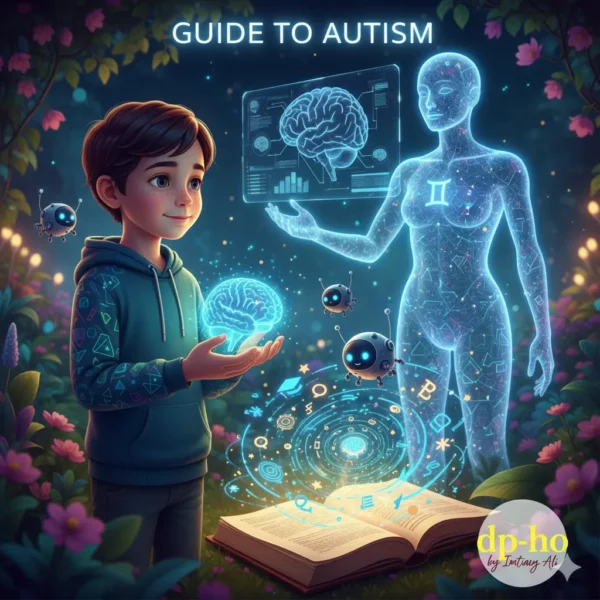
Understanding Autism Spectrum Disorder (ASD) in 2027
As a Special Education expert with over 10 years of experience, I am pleased to present the most updated Guide to Autism for 2026-27. Whether you are navigating Inclusive Education in Saudi Arabia under Vision 2030 or seeking evidence-based interventions in the USA, understanding the neurodiversity of Autism Spectrum Disorder (ASD) is crucial. This guide moves beyond traditional ‘weaknesses’ to highlight the unique cognitive strengths and professional potential of neurodivergent learners. My goal is to bridge the gap between global academic standards and practical, classroom-ready support strategies for parents and educators alike.
Autism Beyond the Spectrum: A Comprehensive Guide to Autism Strengths and Challenges (2026-27 Update)
Explore the latest Guide to Autism for 2026-27 by expert Imtiyaz Ali. Discover neurodiversity-based strategies, cognitive strengths, and evidence-based supports for learners in the USA and Saudi Arabia.
Autism Spectrum Disorder (ASD) is a complex neuro-developmental condition that impacts communication, social interaction, and cognitive processing. While it presents specific hurdles, this Guide to Autism emphasizes that ASD also brings unique strengths that empower individuals to excel in various life aspects. This guide explores the complex spectrum, highlighting the diverse nature of this pervasive developmental disorder.
Key Takeaways for 2026-27
- Guide to Autism: A modern approach sees ASD as a wide range of cognitive and sensory characteristics, moving away from a “one-size-fits-all” model.
- Exceptional Abilities: Individuals often possess superior pattern recognition, memory, and logical thinking.
- Support Needs: Social communication and emotional expression remain core areas where tailored support is vital.
- Sensory Dynamics: Differences in sensory processing can be a “superpower” or a challenge depending on the environment.
Introduction to Autism Spectrum Disorder (ASD)
Autism Spectrum Disorder (ASD) is a neurological condition affecting social interaction and behavior. Recognized globally as a developmental disability, this Guide to Autism highlights that understanding the spectrum is the first step toward Early Intervention and personalized support.
Defining Autism in the Modern Context
In 2027, autism is viewed through the lens of Neurodiversity. It encompasses varying levels of Special Needs and developmental profiles. This shift ensures a more inclusive approach to identifying and supporting neurodivergent individuals.
Prevalence and Demographics
ASD is a global phenomenon. With approximately 1 in 54 children diagnosed in the United States, and rising awareness in Pakistan and Saudi Arabia, timely Early Intervention is crucial for enhancing the quality of life and long-term success.
Cognitive Strengths in Individuals with Autism
While challenges exist, this Guide to Autism focuses on the remarkable cognitive advantages often found on the spectrum:
- Detail-Oriented Processing: A meticulous ability to process information that others might overlook.
- Superior Memory Capabilities: Exceptional recall of facts, dates, and complex data.
- Logical Reasoning: A high aptitude for systematic thinking and problem-solving.
Social Communication Challenges
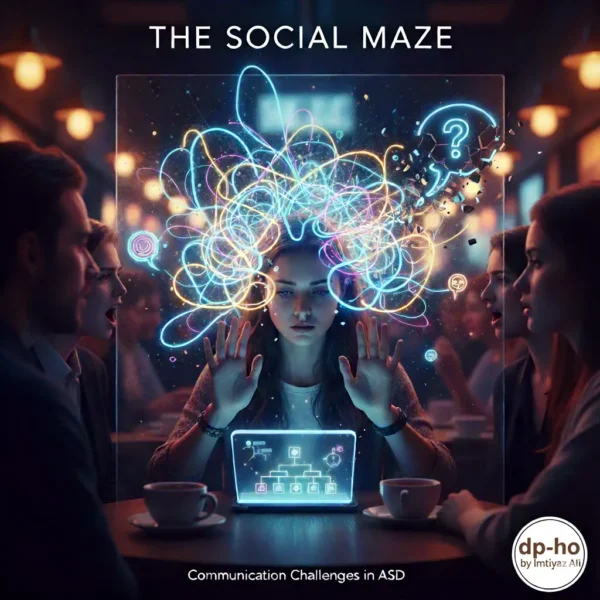
Navigating social worlds can feel like a foreign language. Common hurdles include:
- Misinterpreting non-verbal social cues.
- Challenges in “theory of mind” (understanding others’ perspectives).
- Difficulties in adapting to rapid social changes.
Sensory Processing: A Double-Edged Sword
In any Guide to Autism, sensory awareness is key. Many individuals report “Super-Hearing” or intense visual clarity, but this can lead to Sensory Overload.
- Heightened Awareness: Noticing stimuli that neurotypical people miss.
- Management: Using tools like noise-canceling headphones or “quiet zones” to prevent discomfort from loud noises or bright lights.
Executive Functioning and Strategy
Individuals with Neurodevelopmental Conditions may face difficulties in planning and time management. This Guide to Autism recommends:
- Visual Schedules: Providing structure through predictability.
- Task Analysis: Breaking large projects into small, manageable steps.
- Assistive Technology: Using organizational apps to bridge the gap in time management.
Conclusion: Reaching Full Potential
The key to support lies in harnessing individual strengths while providing a safety net for challenges. By embracing the insights in this Guide to Autism, educators and parents can enable every individual on the spectrum to reach their full potential.
| Executive Function Skill | Potential Challenges in Autism | Strategies for Improvement |
| Planning and Organization | Difficulty breaking down tasks into steps, maintaining schedules | Visual timers, checklists, and task management apps |
| Cognitive Flexibility | Rigidity, resistance to change, trouble adapting to new situations | Role-playing, problem-solving activities, exposure to new experiences |
| Time Management | Difficulty estimating time, meeting deadlines, managing multiple tasks | Using digital calendars, setting reminders, and prioritizing tasks |
Special Interests and Deep Focus Abilities
Many individuals on the spectrum exhibit an incredible capacity for deep focus. According to our Guide to Autism, these “special interests” are not just hobbies but are intense cognitive engagements that allow for mastery of complex subjects.
Channeling Interests into Expertise
A key strategy in any modern Guide to Autism is learning how to transform these passions into professional skills. Many with autism have an exceptional ability to delve deeply into their interests, often achieving a level of expertise that surpasses neurotypical peers.
- Data Analysis and Information Processing: As highlighted in this Guide to Autism, individuals often excel at tasks requiring meticulous attention to detail and pattern recognition. This makes them valuable assets in data-driven fields where precision is paramount.
- Programming and Coding: The logical thinking and systematic problem-solving skills discussed in our Guide to Autism translate perfectly into software development and computer engineering.
- Visual Arts and Design: The heightened sensory awareness and attention to detail found in some individuals can be channeled into creative pursuits. A comprehensive Guide to Autism recognizes these talents in fields such as fine art, architecture, and graphic design.
Language and Communication Patterns
Autism spectrum disorder (ASD) is marked by distinct language and communication patterns.
One key feature of ASD is the tendency towards literal interpretations of language. Moreover, individuals with ASD may find it hard to start, keep, or end conversations properly.
Alternative Communication Methods
Communication and Motor Development
To tackle these communication hurdles, this Guide to Autism suggests that individuals with ASD often find significant help in alternative communication methods.
- Visual Structure: Visual schedules and Picture Exchange Communication Systems (PECS) provide the necessary structure and clarity that any comprehensive Guide to Autism should prioritize for early intervention.
- Non-Verbal Support: Sign language and gestures can complement or substitute for spoken language, enabling individuals to convey their messages more effectively.
- AAC Technology: Augmentative and Alternative Communication (AAC) devices, such as tablets or speech-generating devices, empower individuals to express themselves in a variety of settings—a key focus in our modern Guide to Autism.
By grasping the unique communication patterns tied to pervasive developmental disorders and using the strategies outlined in this Guide to Autism, individuals can significantly hone their interaction skills.
Motor Skills Development
- Fine Motor Skills: These require precise control over small muscles. For some on the autism spectrum, tasks like grasping or coordinating fingers need specific therapies, which are essential components of a holistic Guide to Autism.
- Gross Motor Development: Body coordination and large muscle movements can also present challenges, requiring physical activities tailored to the individual’s sensory profile.
Emotional Intelligence and Analytical Strengths
People with autism spectrum disorder often see the world through a unique emotional lens. As noted in this Guide to Autism, they can often spot the smallest changes in facial expressions or tone of voice that others might miss.
Yet, social communication challenges can sometimes hinder their ability to share their own feelings. By valuing these unique emotional traits, we foster more inclusive environments.
By cultivating empathy and adapting communication styles, we can create an inclusive environment where everyone can flourish. According to global standards set by the World Health Organization , inclusive support is the key to success.
Problem-Solving and Analytical Abilities
A central theme of this Guide to Autism is highlighting the remarkable analytical skills found within the spectrum:
Creative Problem-Solving: Despite social hurdles, individuals with autism often “think outside the box,” offering innovative solutions that neurotypical thinkers might overlook.
Mathematical and Logical Thinking: Many show exceptional reasoning abilities, often excelling in STEM fields due to their systematic approach.
| Strengths | Challenges |
| Mathematical and logical thinking | Social communication difficulties |
| Creative problem-solving approaches | Sensory processing issues |
| Attention to detail and pattern recognition | Executive functioning challenges |
BBeyond the Spectrum: Strengthening Social and Academic Connections
By recognizing and nurturing the analytical abilities of neurodivergent individuals, we can empower them to thrive. This Guide to Autism highlights how nurturing these strengths allows individuals to make valuable contributions in both professional and personal endeavors.
Navigating Social Communication Challenges
One of the primary hurdles discussed in any comprehensive Guide to Autism is the difficulty in reading social cues.
- Nonverbal Language: Subtle facial expressions, tone of voice, and body language may not be readily understood.
- Relationship Building: These gaps can lead to misunderstandings when initiating or maintaining relationships.
- Conversation Flow: Many individuals struggle to sustain two-way conversations, often preferring to engage in deep monologues about their specific areas of expertise or “special interests.”
Building Inclusive Environments
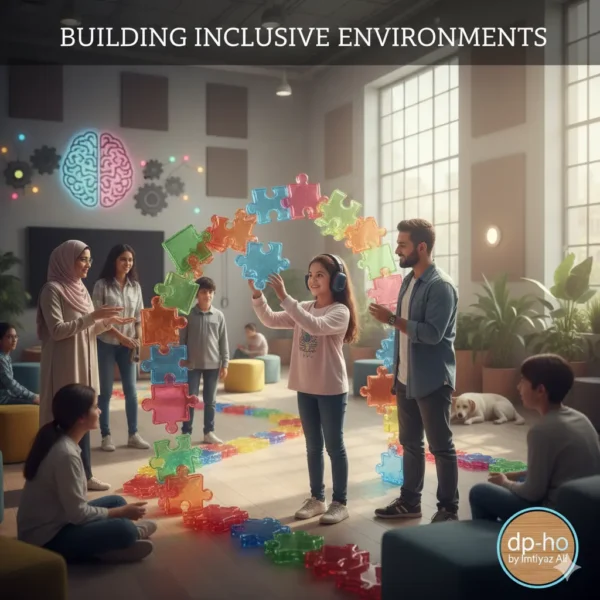
By cultivating empathy and adapting our communication styles, neurotypical individuals can help bridge the gap. This Guide to Autism advocates for an environment where Social Communication Challenges are addressed through patience rather than judgment.
“The ability to form close relationships is not lost in autism; it simply requires a different approach.”
Ultimately, bonding for individuals with Special Needs is a nuanced journey. By embracing unique perspectives, we create an inclusive world where everyone can thrive.
Academic Performance and Diverse Learning Styles
As an expert in Special Education, I have observed that students with Autism Spectrum Disorder (ASD) show a wide range of academic profiles.
Educational Strengths
Many learners on the spectrum show exceptional talent in structured subjects. This Guide to Autism identifies high performance in:
- Mathematics and Logic
- Science and Research
- Computer Coding and Systems
Addressing Learning Hurdles
Despite these strengths, students face significant barriers. This Guide to Autism categorizes these as:
- Sensory Processing: Overwhelming classroom environments that hinder focus.
- Executive Functioning: Difficulty organizing tasks or following multi-step instructions.
- Social Integration: The challenge of group projects and peer-to-peer learning.
Overcoming Barriers with Targeted Interventions
With increased awareness and the right interventions—such as those detailed on Special Ed Authority—these barriers can be overcome. Understanding the balance between sensory sensitivity and cognitive brilliance is the key to unlocking a student’s full potential.. https://www.altogetherautism.org.nz/strengths-and-abilities-in-autism/
FAQ
What are the strengths of autism?
People with autism often possess unique strengths, including:
- Exceptional focus and attention to detail: This ability allows them to excel in tasks requiring precision and accuracy.
- Strong visual thinking and pattern recognition: They often think in pictures and can identify patterns that others might miss.
- Excellent memory: Many individuals with autism have remarkable memories, especially for facts and details.
- Logical thinking and problem-solving skills: They can approach challenges in a systematic and analytical way.
- Creativity and innovation: Their unique perspectives can lead to creative solutions and original ideas.
- Honesty and directness: They often communicate in a straightforward manner, valuing truth and authenticity.
- Deep interests and passions: They can become deeply engrossed in specific topics, leading to expertise and knowledge.
What is the best lifestyle for autism?
There’s no one-size-fits-all answer, as the best lifestyle for an individual with autism depends on their specific needs and preferences. However, some general principles can contribute to a positive lifestyle:
- Understanding and acceptance: Creating a supportive environment where individuals with autism feel understood and accepted is crucial.
- Structured routines: Predictable routines can provide comfort and reduce anxiety for many individuals with autism.
- Sensory-friendly environments: Minimizing sensory overload can help individuals with autism focus and manage their emotions.
- Early intervention and therapy: Early intervention and therapies like applied behavior analysis (ABA) can significantly improve communication, social skills, and independence.
- Personalized education: Tailored educational approaches can help individuals with autism reach their full potential.
- Healthy lifestyle: Encouraging regular exercise, a balanced diet, and adequate sleep can support overall well-being.
- Social opportunities: Providing opportunities for social interaction, even in small, controlled settings, can help individuals with autism develop social skills.
What is a strength for ASD?
As mentioned earlier, individuals with autism often possess a range of strengths. Some common strengths include:
- Exceptional focus and attention to detail
- Strong visual thinking and pattern recognition
- Excellent memory
- Logical thinking and problem-solving skills
- Creativity and innovation
- Honesty and directness
- Deep interests and passions
Can a child with autism be normal?
The concept of “normal” is subjective and can vary across cultures. While individuals with autism may experience challenges in social interaction and communication, they can still lead fulfilling and meaningful lives. With appropriate support and interventions, many individuals with autism can develop strong skills and achieve their goals. It’s important to focus on each individual’s unique strengths and abilities rather than comparing them to a perceived “normal” standard.
What is Autism Spectrum Disorder (ASD)?
Autism Spectrum Disorder (ASD) is a complex neurodevelopmental condition. It affects an individual’s communication, social interaction, and behavior. Each person on the spectrum has unique strengths and challenges.
How common is autism?
Autism is relatively common, with about 1 in 54 children in the United States diagnosed. The increase in prevalence is due to better detection and diagnostic methods.
What are some of the cognitive strengths associated with autism?
People with autism often have enhanced pattern recognition and superior memory. These strengths can be beneficial in problem-solving, data analysis, and creative pursuits.
How do social communication challenges impact individuals with autism?
Individuals with autism may struggle with social communication. They might find it hard to interpret social cues and build relationships. However, strategies and support can improve their social skills and connections.
How do sensory processing issues affect individuals with autism?
Sensory processing differences are common in autism. People may be more or less sensitive to sensory stimuli. This can lead to both advantages and challenges. Managing sensory needs is crucial.
What are the unique language and communication patterns in autism?
Individuals with autism have varied language and communication patterns. They might have delayed or atypical language development. Alternative communication methods, like visual aids, can be helpful.
How do motor skills develop in individuals with autism?
Autism can affect fine and gross motor skills. Early intervention and support can help improve motor skills. This can enhance daily functioning and independence.
How do individuals with autism often excel in problem-solving and analytical abilities?
Many individuals with autism show strong problem-solving and analytical skills. They excel in mathematical and logical thinking. Their unique approach to problem-solving can be an asset.
What are some of the challenges in forming social relationships for individuals with autism?
Individuals with autism may struggle with social cues and conversations. However, with patience and support, they can learn to navigate social relationships. This can lead to fulfilling connections.
How can the learning styles and academic performance of individuals with autism be supported?
Individuals with autism have unique learning styles, often excelling in visual-spatial processing and analytical thinking. Providing educational accommodations and a supportive environment can help them thrive academically.