Autism Awareness vs. Autism Acceptance: A 2026 Guide to Inclusion
Explore the shift from Autism Awareness vs. Autism Acceptance in 2026. Learn how moving toward active inclusion and neurodiversity creates a world where everyone thrives.
Disclaimer: This article is provided for educational and informational purposes only. It is not intended to be a substitute for professional medical advice, diagnosis, or treatment. Always seek the advice of a qualified professional with any questions you may have regarding a medical condition or educational needs. Visit full page disclaimer https://dp-ho.com/disclaimer-page/.
ڈس کلیمر: یہ مضمون صرف تعلیمی اور معلوماتی مقاصد کے لیے فراہم کیا گیا ہے۔ اس کا مقصد کسی بھی قسم کا پیشہ ورانہ طبی مشورہ، تشخیص یا علاج فراہم کرنا نہیں ہے۔ طبی حالت یا تعلیمی ضروریات سے متعلق اپنے کسی بھی سوال کے لیے ہمیشہ کسی مستند ماہر سے مشورہ کریں۔ مزید تفصیل کے لیئے ڈسکلیمر پیج کو دیکھیں
https://dp-ho.com/disclaimer-page/
World Autism Awareness Day is held annually on April 2nd to promote understanding, acceptance, and inclusion of autistic individuals globally. Initiated by the UN, the day focuses on fostering support, celebrating unique strengths, and removing barriers to ensure equal rights and participation for autistic people.
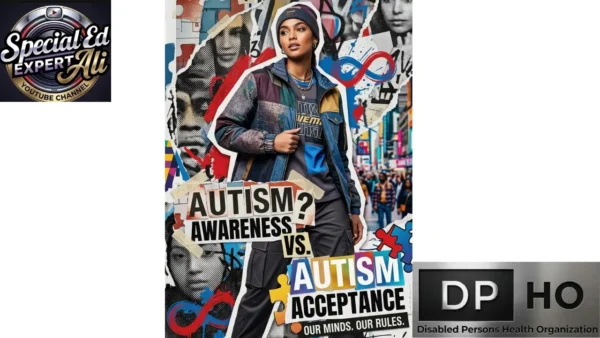
Autism awareness recognizes the condition exists, whereas autism acceptance the 2026 standard emphasizes active inclusion, respecting neurodiversity, and creating supportive environments.
1. Understanding the Evolution: Autism Awareness vs. Autism Acceptance
Evolution does not merely mean a change in terminology; it signifies a paradigm shift in mindset. In the debate of Autism Awareness vs. Autism Acceptance, awareness began in the 1970s with the sole purpose of informing the public that “Autism” exists. During this era, autism was often viewed as a “problem” or a “deficit” that required fixing.
In contrast, within the framework of Autism Awareness vs. Autism Acceptance, acceptance is a transformative approach that emphasizes Neuro-affirming care. It suggests that simply “knowing” is insufficient; true change occurs when we embrace autistic individuals for their unique characteristics. According to scholarly research, awareness often breeds stigma, whereas acceptance builds a bridge of empathy and respect between neurotypical and neurodivergent individuals.
2. Why the Shift from Awareness to Acceptance Matters in 2026
By 2026, the world has moved toward a Neurodiversity Framework, making the distinction in Autism Awareness vs. Autism Acceptance more critical than ever. According to research (PMC, 2026), different brain wiring is a natural human variation, not a disease. Today, acceptance is vital because:
- Mental Health & Camouflaging: When Autism Awareness vs. Autism Acceptance principles are applied, autistic individuals no longer feel the need to “mask” or engage in social camouflaging, which significantly improves their mental health.
- Social Equity: Acceptance means modifying societal structures to be effective for everyone. This promotes Intersectionality, where we support neurodivergent individuals from diverse backgrounds.
3. Key Differences: Moving Beyond Awareness to Action
The clear distinctions within Autism Awareness vs. Autism Acceptance can be understood through this comparison:
| Feature | Autism Awareness (Old Concept) | Autism Acceptance (2026 Standard) |
| Primary Goal | Recognition (Identification) | Inclusion (Integration) |
| Perspective | Medical Model (Deficit-based) | Strength-based Model |
| Key Metric | Diagnosis Rates | Quality of Life (QoL) |
| Response to Behavior | Modification/Suppression | Understanding Sensory Processing |
| Language | Awareness/Cure | Support/Acceptance/Pride |
4. Practical Ways to Foster Autism Acceptance in Schools and Workplaces
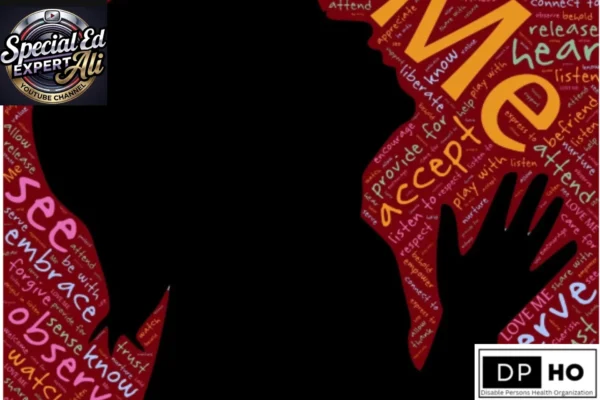
Simply talking about Autism Awareness vs. Autism Acceptance does not fulfill its purpose; it requires Universal Design for Learning (UDL) and structural changes:
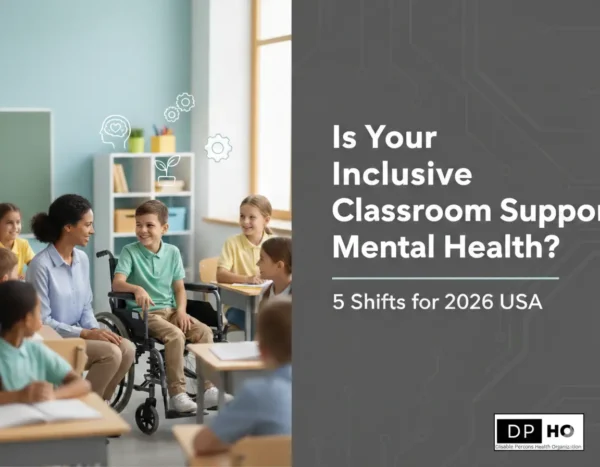
- In Schools (Activity-Based Learning): Follow Autism Awareness vs. Autism Acceptance principles in the classroom by using visual schedules and Sensory Integration tools. Engage children in collaborative activities that enhance their Executive Functioning skills.
- In Workplaces: We can turn the vision of Autism Awareness vs. Autism Acceptance into reality by providing flexible communication methods and sensory-friendly workstations. Establishing “Quiet Zones” to reduce Sensory Overload is essential.
- Empowerment: Providing autistic individuals with “Choice” and “Autonomy” according to their preferences boosts their motivation and performance.
5. The Role of Neurodiversity in Global Inclusion Standards
On an international level (per WHO and UN standards), the context of Autism Awareness vs. Autism Acceptance has become an essential part of neuro-inclusion. According to 2026 global standards:
Nothing About Us Without Us: This is the slogan of Self-Advocacy; no policy is considered complete without the active participation of autistic individuals.jhi jati.
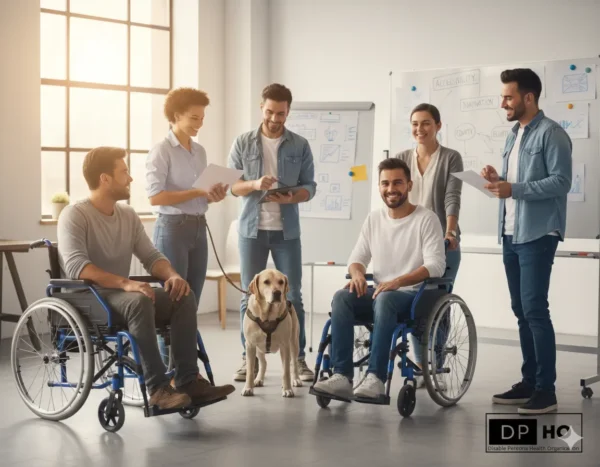
Sensory Mapping: Global infrastructure (museums, airports, offices) now requires “Sensory Maps” so neurodivergent individuals can navigate easily. This is a critical step for individuals with comorbid Mobility Disabilities to ensure they have the physical access required for full participation.
Systemic Inclusion: Organizations now use a “Neurodiversity Index” to practically implement Autism Awareness vs. Autism Acceptance in the workforce.
The Role of IDEA and Procedural Safeguards

In the context of Autism Awareness vs. Autism Acceptance, the Individuals with Disabilities Education Act (IDEA) provides the legal backbone for true acceptance through Procedural Safeguards, Due Process, and Transition Services.
Expert Insight: “In my research at Lahore Leads University, I found that even with the best IEP, a child cannot succeed if the social environment lacks acceptance. We must teach peers to be allies.” Imtiyaz Ali, M.Phil, Masters in Special Ed.
Policy Comparison: Awareness vs. Acceptance
| Feature | Autism Awareness | Autism Acceptance |
| Primary Goal | Recognition of diagnosis | Validation and Inclusion |
| Legal Focus | Identification of needs | Due Process & Rights |
| Physical Access | Minimal/Standard | Enhanced for Mobility Disabilities |
| School Strategy | Special classrooms | Inclusive Education & LRE |
FAQs:- 2026 Guide
1. What is the fundamental difference in Autism Awareness vs. Autism Acceptance? Awareness refers to the basic recognition that autism exists (Recognition), whereas Acceptance involves validating autistic individuals for their unique neurological wiring and ensuring they have equal rights and opportunities within society (Inclusion).
2. Why has the importance of Autism Acceptance increased in 2026? By 2026, the global community has fully adopted the Neurodiversity Framework. Research indicates that acceptance significantly improves the mental health of autistic individuals by removing the pressure of “masking” or hiding their true selves to fit societal norms.
3. Does Autism Acceptance include considerations for Mobility Disabilities? Yes. According to modern inclusion standards, Autism Awareness vs. Autism Acceptance is only complete when we address intersectionality. This includes removing physical barriers such as providing ramps and accessible classrooms to support those with comorbid Mobility Disabilities.
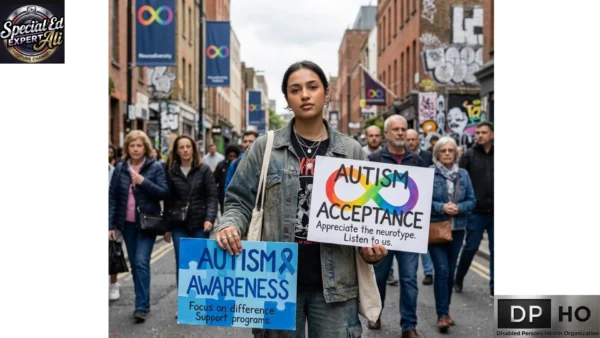
4. What is the difference between the Puzzle Piece and the Infinity Symbol? The puzzle piece is a symbol of the old “Awareness” era, which often framed autism as a “mystery” or a “problem” to be solved. The Infinity Symbol is the hallmark of modern Acceptance, representing the infinite spectrum of human neurological diversity.
5. What does “Neuro-affirming care” mean? Neuro-affirming care refers to providing support that respects an autistic person’s natural behaviors (such as stimming) and sensory needs, rather than attempting to “cure” or change them to appear neurotypical.
6. How can Autism Acceptance be implemented in schools? Schools can implement acceptance through Universal Design for Learning (UDL) and Activity-Based Learning. These methods allow lessons to be tailored to each child’s unique sensory and cognitive requirements.
7. How can “Sensory Overload” be managed in the workplace? Workplaces can take practical steps toward Autism Acceptance by establishing “Quiet Zones,” allowing noise-canceling headphones, and providing adjustable dim lighting to reduce sensory triggers.
8. What is Self-Advocacy and why is it important? Self-advocacy means empowering autistic individuals to speak up for their own rights. The core principle of this movement is “Nothing About Us Without Us,” ensuring no policy is made without the input of the neurodivergent community.
9. Can AI technology assist in fostering Autism Acceptance? Absolutely. In 2026, AI-driven tools are revolutionizing inclusion through personalized learning paths and adaptive communication apps that help autistic individuals express themselves and learn more effectively.
10. As a parent, how can I identify an “Acceptance-ready” environment for my child? Look for environments that offer Procedural Safeguards, a Behavior Intervention Plan (BIP) focused on support rather than punishment, and a curriculum that respects and teaches neurodivergent history.
Conclusion: Beyond the Label
The transition from Autism Awareness vs. Autism Acceptance marks the end of an era where recognition was the final goal. To achieve true inclusion in 2026, we must focus on three core pillars:
- Valuing Neurodiversity: Viewing autism not as a condition to be “fixed,” but as a natural neurological variation. This involves moving away from the medical model of “deficits” toward a strength-based model that celebrates unique cognitive styles.
- Active Accommodation: Moving from symbolic gestures to functional changes. This includes implementing Universal Design for Learning (UDL) in schools and creating sensory-safe workplaces that mitigate Sensory Overload.
- Empowering Intersectionality: Recognizing that autism does not exist in a vacuum. True acceptance ensures that individuals with comorbid Mobility Disabilities have both the digital and physical access required to participate fully in society.
Ultimately, Acceptance is an action, not just a feeling. It requires us to adapt our environments—through Behavior Intervention Plans (BIP) focused on support rather than compliance—to fit the person, rather than forcing the person to mask their identity to fit the environment. By fostering a culture of acceptance, we create a world where autistic individuals don’t just survive, but belong and thrive.
اردو خلاصہ (Urdu Summary)
آٹزم کے حوالے سے Autism Awareness vs. Autism Acceptance کے درمیان فرق کو سمجھنا 2026 میں بے حد ضروری ہے۔ امتیاز علی (ایم فل، اسپیشل ایجوکیشن) کے مطابق، آگاہی کا مطلب صرف یہ جاننا ہے کہ آٹزم کیا ہے، جبکہ قبولیت کا مطلب آٹزم کے شکار افراد کو معاشرے کا برابر حصہ تسلیم کرنا اور انہیں ان کی منفرد صلاحیتوں کے ساتھ اپنانا ہے۔
اہم نکات:
- علاج نہیں، شمولیت: ہمیں آٹزم کو ایک “بیماری” سمجھ کر اس کا علاج ڈھونڈنے کے بجائے Neuro-affirming طرزِ عمل اپنانا چاہیے، جو بچے کی قدرتی سوچ اور سیکھنے کے انداز کی عزت کرتا ہے۔
- بنیادی تبدیلیاں: تعلیمی اداروں اور دفاتر میں ایسی تبدیلیاں لانا ضروری ہیں جو Sensory Overload کو کم کریں اور آٹزم کے شکار افراد کو ایک پرسکون ماحول فراہم کریں۔
- جسمانی معذوری (Mobility Disabilities): 2026 کے جدید تعلیمی ڈھانچے میں آٹزم کے ساتھ ساتھ جسمانی معذوری کا خیال رکھنا بھی لازمی ہے، تاکہ وہ تمام بچے جو وہیل چیئر یا دیگر امدادی آلات استعمال کرتے ہیں، وہ بھی بغیر کسی رکاوٹ کے معاشرے کا حصہ بن سکیں۔
- خود مختاری (Self-Advocacy): قبولیت کا اصل مقصد یہ ہے کہ ہم آٹزم کے شکار افراد کو اتنی مہارت اور اعتماد دیں کہ وہ اپنی زندگی کے فیصلے خود کر سکیں اور اپنی آواز بلند کر سکیں۔
ان اقدامات کے ذریعے ہم ایک ایسا معاشرہ تشکیل دے سکتے ہیں جہاں ہر بچہ، چاہے اس کی ذہنی ساخت کیسی ہی کیوں نہ ہو، اپنی صلاحیتوں کا بھرپور اظہار کر سکے اور عزت کے ساتھ زندگی گزار سکے۔
Disclaimer: This article is for information only. Please read our full Disclaimer.
Urdu version
ڈس کلیمر: یہ مضمون صرف معلومات کے لیے ہے۔ براہ کرم ہمارا مکمل ڈس کلیمرپڑھیں۔