
Master the complex world of Special Education Admission USA. Explore expert insights on IDEA law, the IEP process, and Section 504 plans. Written by an M.Phil expert with 10+ years of experience to help parents and professionals navigate FAPE and LRE effectively. 🚀
Navigating the American special education system can feel like walking through a labyrinth without a map. As a professional who has spent over a decade in this field culminating in an M.Phil in Special Education I have seen firsthand how the right information can change a child’s entire trajectory. Whether you are a researcher in Saudi Arabia looking for comparative models or a parent in the USA fighting for your child’s rights, understanding the legal pillars of the Individuals with Disabilities Education Act (IDEA) is your first step toward success. 🌟
In the United States, special education is not just a service; it is a federally protected legal right. It is built on the promise of FAPE (Free Appropriate Public Education). But how do you actually “get in”? How do you secure that elusive IEP (Individualized Education Program)? Let’s break down the mechanics of the US system with the precision of an expert and the heart of an educator. 🍎
⚖️ The Legal Backbone: Understanding IDEA and Section 504. Special Education Admission USA
Before we discuss admissions, we must understand the “Why” and “How” of the law. In the USA, two primary federal laws protect students with disabilities. 📜
🛡️ IDEA (Individuals with Disabilities Education Act)
IDEA is the powerhouse. It ensures that students with disabilities receive “specially designed instruction” at no cost to parents. It governs how states and public agencies provide early intervention and special education.
📄 Section 504 of the Rehabilitation Act
Unlike IDEA, Section 504 is a civil rights law. It is designed to level the playing field by providing accommodations (like extra time on tests or a quiet room) even if the student doesn’t require a specialized curriculum.
| Feature | IDEA (IEP) | Section 504 Plan |
| Legal Basis | Federal Education Law | Civil Rights Law |
| Eligibility | 13 Specific Disability Categories | Any disability that limits “major life activities” |
| Services | Specially Designed Instruction | Accommodations & Modifications |
| Funding | Federal funding provided | No extra funding provided |
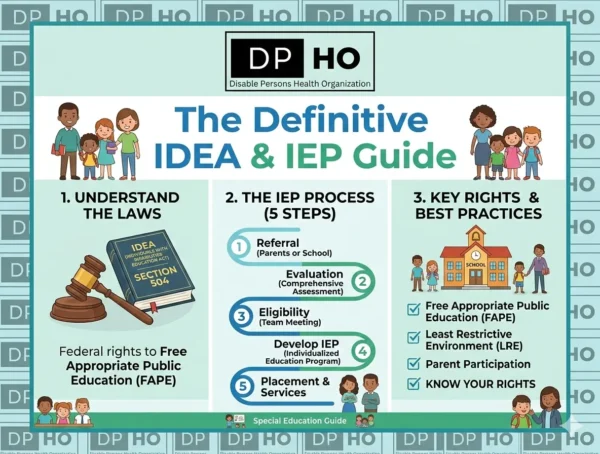
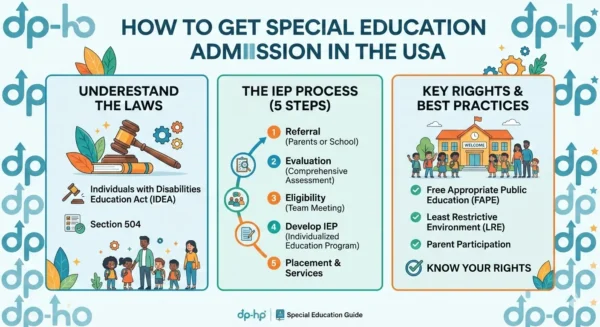
📝 The 5-Step Admission Process for Special Education Admission USA 🛤️
Getting “admitted” into a special education program in a US public school follows a strict, legally mandated timeline. ⏱️
1. The Referral (The Starting Line) 🚩
The process begins with a referral. This can come from a teacher, a doctor, or most powerfully, from you—the parent.
- Expert Tip: Always submit your referral in writing. In the USA, once a school receives a written request, the “legal clock” starts ticking. They typically have 15 to 30 days to respond.
2. Comprehensive Evaluation 🔍
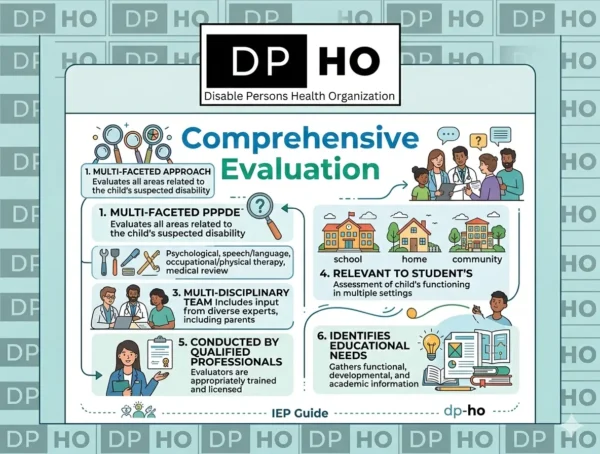
The school must evaluate the child in all areas related to the suspected disability. This isn’t just an IQ test; it includes speech and language assessments, occupational therapy evaluations, and behavioral observations.
- The 60-Day Rule: Federal law generally requires evaluations to be completed within 60 calendar days of parental consent.
3. Eligibility Determination ⚖️
After the evaluation, a team (including the parents) meets to decide if the child qualifies under one of the 13 IDEA categories, such as Autism, Hearing Impairment (my area of specialization), or Specific Learning Disabilities.
4. Creating the IEP (The “Admission” Ticket) 🎟️
If eligible, the team drafts the Individualized Education Program (IEP). This is a legally binding contract that lists current performance levels, measurable goals, and specific services.
5. Placement 🏫
“Special Education” is a service, not a place. The team decides where those services will be delivered—whether in a general education classroom with support or a specialized “self-contained” room. This is known as the Least Restrictive Environment (LRE).
🌍 Cultural Nuance: USA vs. Saudi Arabia Special Education 🇸🇦
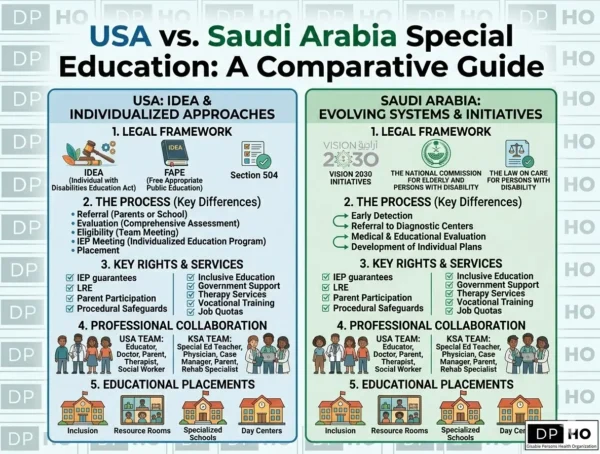
As someone planning to bring my M.Phil expertise to Saudi Arabia, I often compare the two systems. While the USA has a long-standing legal framework (IDEA was first passed in 1975), Saudi Arabia is undergoing a massive transformation under Vision 2030.
In the USA, the focus is heavily on litigation and procedural safeguards. Parents often hire “Advocates” to attend meetings. In contrast, the Saudi system is rapidly moving toward a medical-educational hybrid model, with massive investments in centers like the King Salman Center for Disability Research. For a professional, the USA offers a structured legal playground, while Saudi Arabia offers a frontier of growth and innovation. 📈
💡 Real-World Case Study: The “Transition” Challenge 🎓
Let’s look at “Sarah,” a 16-year-old student with Autism in a New York public school. Her parents were worried about what happens after high school—a common fear for our community.
- The Intervention: Because Sarah had an IEP, the law mandated a Transition Plan starting at age 16.
- The Result: Her IEP team added “Vocational Training” and “Independent Living Skills” to her curriculum. They partnered with local businesses for job coaching.
- The Lesson: Admission to special education isn’t just about the classroom; it’s about the “Transition to Adulthood.” This is a high-value area for researchers and consultants alike. 💼
🚀 Strategic Action Plan for Parents and Professionals
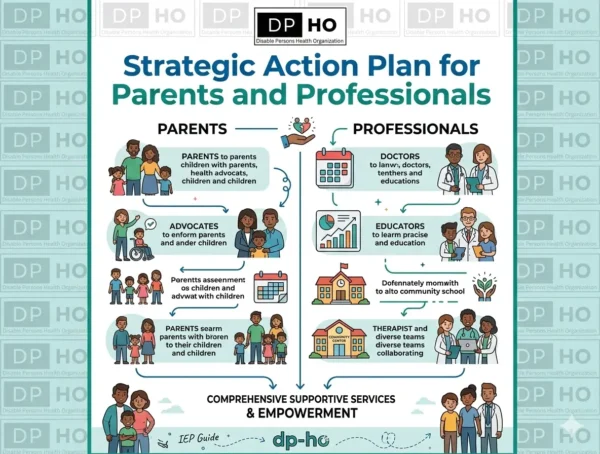
If you are seeking admission to these services in 2026, follow this roadmap:
- Document Everything: Keep a “Communication Log” of every phone call and email with the school.
- Request a “Prior Written Notice”: If the school refuses an evaluation or service, they must give you a written explanation of why.
- Focus on FAPE: Always frame your requests around whether the child is making “meaningful progress.”
- Leverage Technology: Use Assistive Technology (AT) evaluations to ensure the student has the digital tools needed to compete in a modern economy. 💻
❓ Frequently Asked Questions (FAQs) 🙋♂️
- Can a private school student get an IEP?Generally, public schools must provide “equitable services,” but rights are more limited than in public schools.
- What are the 13 disability categories under IDEA?Autism, Deaf-blindness, Deafness, Emotional disturbance, Hearing impairment, Intellectual disability, Multiple disabilities, Orthopedic impairment, Other health impairment (ADHD), Specific learning disability (Dyslexia), Speech/language impairment, Traumatic brain injury, and Visual impairment.
- How often is an IEP reviewed?At least once a year. However, a parent can request a meeting at any time.
- Can I bring an expert to an IEP meeting?Yes! You can bring anyone with “knowledge or special expertise.”
- What if I disagree with the school’s evaluation?You have the right to an Independent Educational Evaluation (IEE) at public expense.
- Does an IEP follow a student to college?No. IEPs end at graduation. College students use the ADA for accommodations.
- Is “Special Education” a separate classroom?No, it is a set of services often provided in an inclusion setting.
- What is the “Least Restrictive Environment” (LRE)?The requirement to educate students with disabilities alongside their non-disabled peers as much as possible.
- How do I start the process if I just moved to the USA?Contact the “Child Find” office in your local school district immediately.
- Is there a cost for special education in the USA?No. Under FAPE, all evaluations and services in public schools are free.
📝 Executive Summary (Urdu) 🇵🇰
امریکہ میں سپیشل ایجوکیشن کا نظام قانونی طور پر بہت مضبوط ہے۔ IDEA قانون کے تحت ہر معذور بچے کا یہ حق ہے کہ اسے مفت اور معیاری تعلیم (FAPE) فراہم کی جائے۔ اس آرٹیکل میں ہم نے تفصیل سے بتایا ہے کہ کس طرح والدین ایک تحریری درخواست (Referral) کے ذریعے اپنے بچے کا کیس شروع کر سکتے ہیں۔ اس عمل میں تشخیص (Evaluation) اور پھر IEP (انفرادی تعلیمی پروگرام) کی تیاری شامل ہے۔ بطور سپیشل ایجوکیشن ایکسپرٹ، میرا مشورہ ہے کہ والدین اپنے تمام حقوق سے باخبر رہیں اور اسکول کے ساتھ تحریری رابطہ رکھیں۔ اگر آپ سعودی عرب یا کسی اور ملک سے امریکہ منتقل ہو رہے ہیں، تو “Child Find” کے ذریعے اپنے بچے کی رجسٹریشن کروانا پہلا قدم ہے۔ یہ نظام نہ صرف تعلیمی بلکہ پیشہ ورانہ تربیت (Transition Services) میں بھی مددگار ثابت ہوتا ہے۔ 📚